

3D Mesh Modeling Services
High-Quality Polygon Meshes for Production & Visualization
We provide mesh modelling and mesh editing services to process scan data into accurate polygon mesh models (.STL / .OBJ / .PLY). Using tools like ZBrush, Meshmixer, and Geomagic Wrap, we clean, repair, and optimize mesh data for use in 3D printing, gaming assets, digital twins, and industrial applications.
Our mesh models are structured for practical use across AR/VR/XR environments, conservation planning, and Industry 4.0 workflows.
Our mesh modelling services help you:
- Convert scan data into clean and usable mesh models
- Prepare mesh models for 3D printing and visualization
- Create optimized assets for gaming and AR/VR/XR applications
- Support conservation and condition assessment workflows
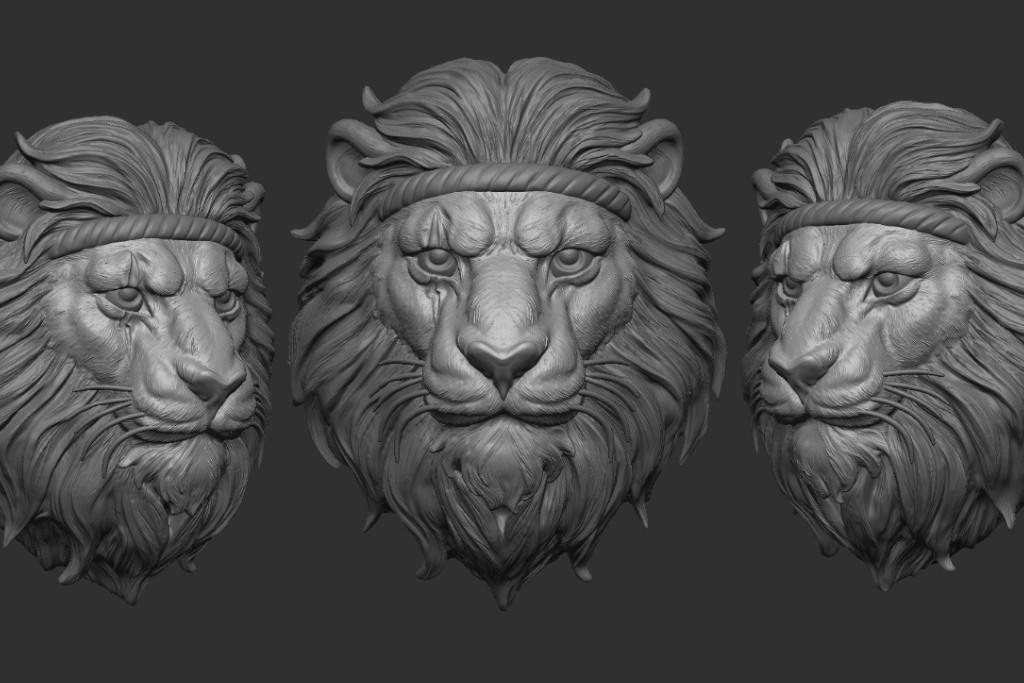
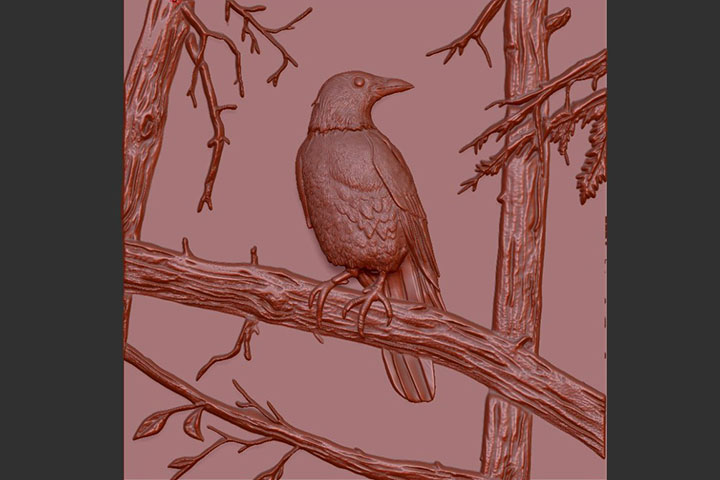
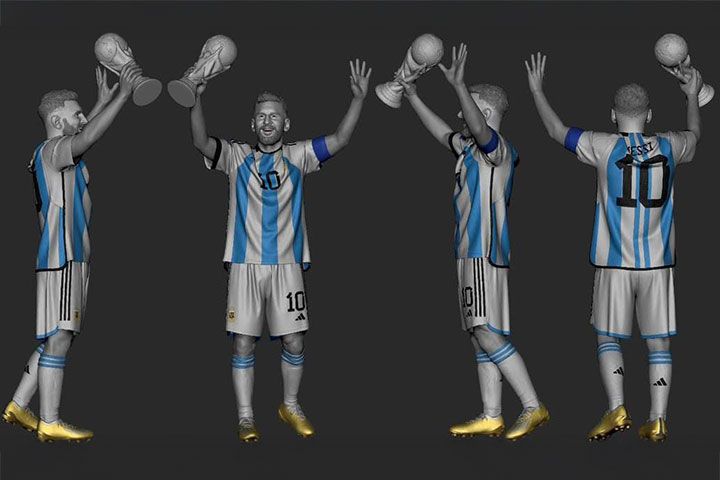
Industries We Serve

Gaming and AR/VR/XR
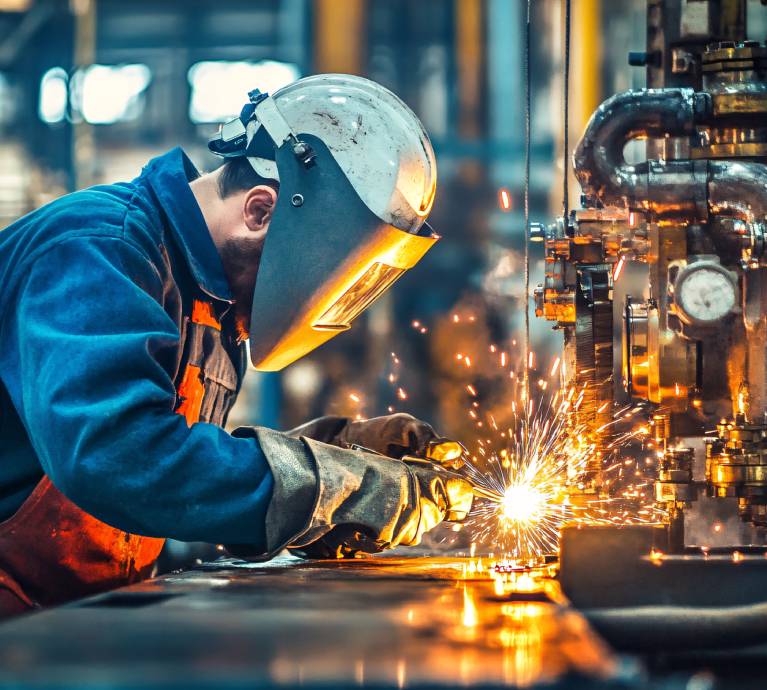
Manufacturing
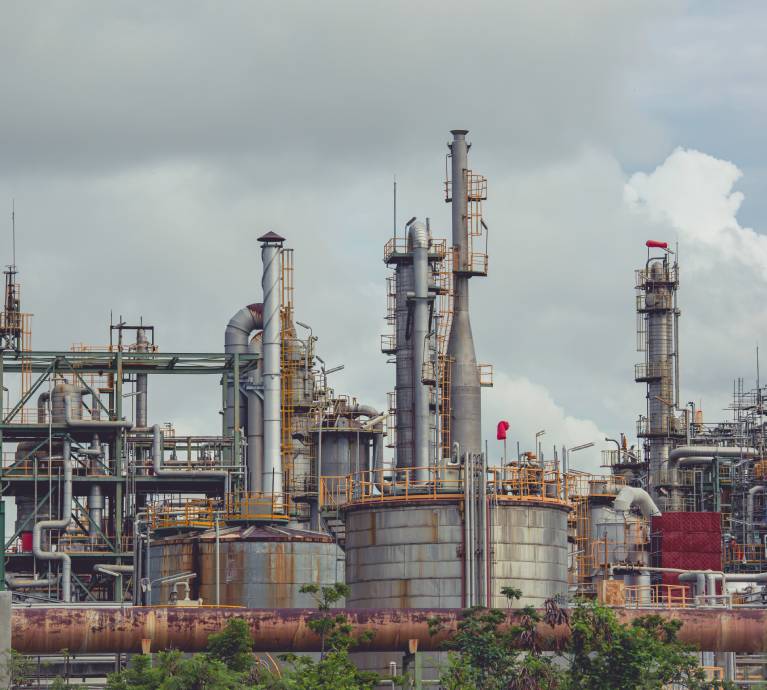
Industrial
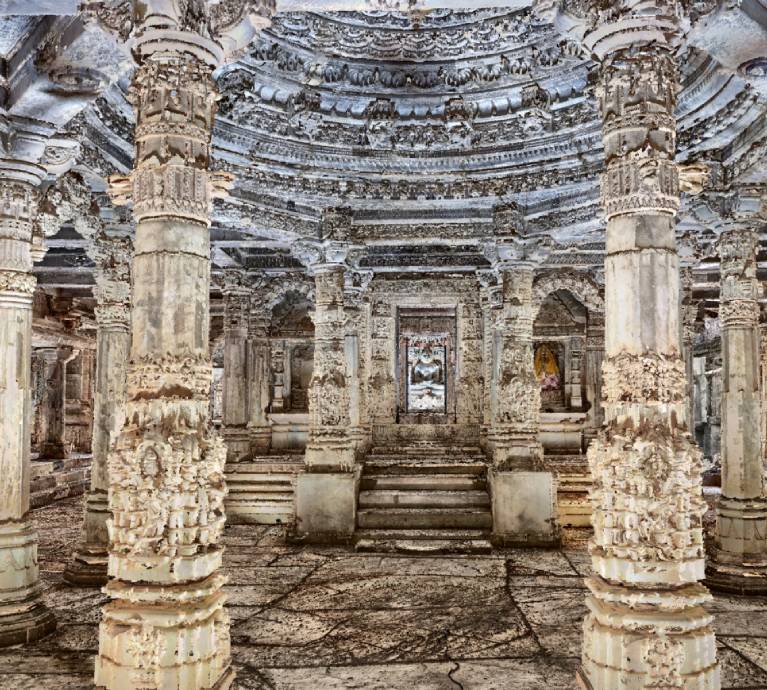
Heritage and Conservation
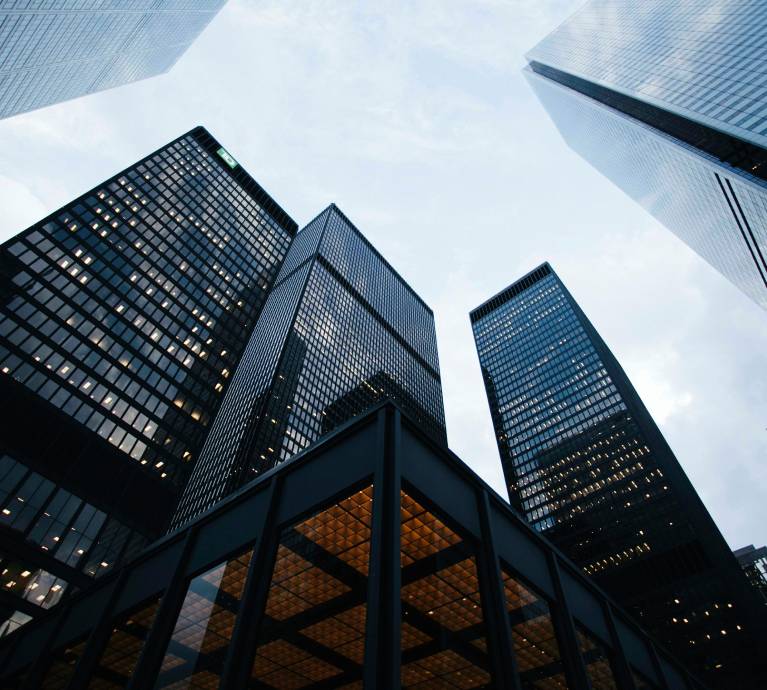
Architecture
Visualization and façade modelling
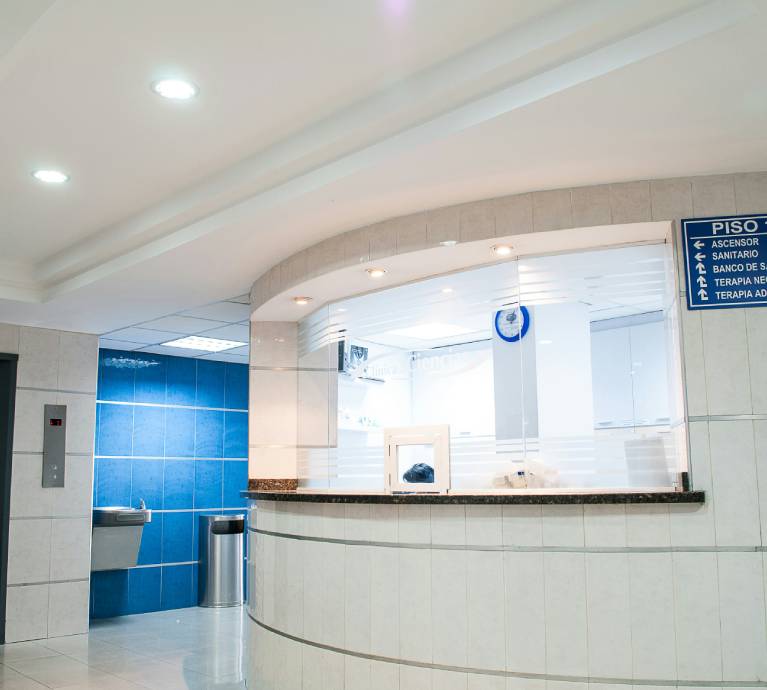
Medical
Why Clients Choose Our Mesh Modeling Services
Application-Focused Mesh Output
Optimized File Size Without Data Loss
Experience with Scan-to-Mesh Workflows
Mesh Prepared for Downstream Use
Models are delivered ready for:
- Reverse engineering
- Simulation
- Visualization
- Asset integration
Controlled Mesh Editing and Repair
Manual and tool-based correction using ZBrush, Rhino and Meshmixer ensures:
- Clean topology
- Proper surface continuity
- Usable geometry
Support for Complex and Damaged Data
We handle:
- Incomplete scans
- Broken meshes
- High-noise datasets
Our Mesh Modeling Workflow
01
Data Import (Scan / Mesh Input)
Import scan or mesh data from:
- Laser scans
- Handheld scanners
- Existing mesh files
Input: (.E57 / .PTS/ .STL / .OBJ)
02
Mesh Generation (if required) (Geomagic Wrap / Meshmixer)
Convert point cloud into polygon mesh model.
Output: Raw mesh (.STL / .OBJ)
03
Mesh Cleanup (ZBrush / Meshmixer / Geomagic Wrap)
Perform:
- Noise removal
- Spike reduction
- Unwanted geometry cleanup
04
Mesh Repair and Hole Filling
Apply:
- Hole filling
- Gap closure
- Mesh stitching
Output: Watertight mesh model
05
Mesh Sculpting and Refinement (ZBrush)
Refine geometry:
- Surface smoothing
- Detail enhancement
- Edge correction
06
Mesh Optimization (Meshmixer / ZBrush)
Perform:
- Polygon reduction (decimation)
- Retopology (if required)
- File size optimization
Output: Lightweight optimized mesh
07
Segmentation and Asset Preparation
Split mesh into usable components for:
- Gaming assets
- AR/VR/XR models
- Industrial parts
08
Alignment and Scaling
Set correct orientation, scale, and coordinate system.
09
Quality Check
Verify:
- Surface continuity
- Geometry accuracy
- Application readiness
Deliverables
- Raw and processed mesh models (.STL / .OBJ / .PLY)
- Watertight mesh models (3D printing ready)
- Optimized mesh files (decimated / lightweight)
- Retopologized mesh
- Segmented mesh assets
- AR/VR/XR-ready models
- Game-ready 3D assets
- Mesh models for conservation and condition assessment
- Visualization-ready 3D models
Frequently Asked Questions
3D mesh modeling converts scan data into detailed surface models, useful for reverse engineering, inspection, visualization, and fabrication planning.
3D scanning captures precise geometry, allowing mesh models to represent complex shapes and surfaces accurately without manual interpretation.
Mesh models replicate existing components accurately, helping engineers recreate parts when original drawings or CAD files are unavailable.
Yes, mesh models are compared with design CAD data to identify deviations, tolerances, and quality issues effectively.
Accurate mesh models ensure fabricated parts match real dimensions, reducing fit-up issues and costly rework.
Industries such as manufacturing, oil and gas, marine, heritage, and construction benefit from accurate mesh-based documentation.
Mesh models capture fine surface details and complex geometry, making them suitable for high-precision engineering tasks.
Yes, mesh models can be converted into CAD or BIM formats for further engineering, design, or documentation workflows.
Mesh modeling reduces manual modeling effort and repeated measurements by using accurate scan data as the base.
Deliverables include mesh files, surface models, deviation reports, and CAD-ready geometry for engineering use.
Start your mesh modeling project today.
Need clean, optimized mesh models for real-world applications?
Share your scan or mesh data.
We will review and provide a clear scope with deliverables.
Headquarters
Rajkot Office
Nr. Shreeji Gau Shala, B/h Tulip Party Plot
Premvati, Vavdi, Rajkot – 360004
India
Vadodara Office
3rd Floor, Siddharth Magnum Plus
Tarsali – Danteshwar Ring Road
Vadodara -390009
General Inquiries
© 2026 Fibrox 3D. All rights reserved. | Developed by SkyWebTech