In today’s construction industry, accurate building information is essential for successful project delivery, facility management, and future renovations. Traditional drawings often become outdated during construction due to design changes, site modifications, and unforeseen circumstances. As a result, stakeholders may struggle with inaccurate documentation that can lead to costly mistakes and delays.
This is where As-Built BIM models play a crucial role. They provide a precise digital representation of a completed building, reflecting its actual dimensions, systems, and components. With the growing adoption of Building Information Modeling (BIM) across the construction sector, accurate as-built models have become a valuable asset for architects, engineers, contractors, and facility managers.
What Are As-Built BIM Models?
An As-Built BIM model is a detailed digital model that represents the final constructed condition of a building or facility. Unlike design models, which show how a structure is intended to be built, as-built models capture the actual conditions after construction is completed.
These models include accurate information about architectural elements, structural components, mechanical systems, electrical installations, plumbing networks, and other building assets. They serve as a reliable source of truth throughout the building’s lifecycle.
Difference Between Design Models and As-Built Models
Design BIM models are created during the planning and design stages of a project. They reflect the architect’s and engineer’s intended design.
As-built BIM models, on the other hand, incorporate all changes made during construction. They document the final installed conditions, ensuring that the digital model matches the physical structure as closely as possible.
Why Accuracy Matters in As-Built BIM Modeling
The effectiveness of an as-built model depends heavily on its accuracy. Even minor discrepancies can create challenges during maintenance, renovations, and future construction projects.
- Reliable Project Documentation
Accurate as-built BIM models provide comprehensive documentation of a building’s final condition. This information becomes invaluable when facility managers, engineers, or contractors need to access building data years after project completion.
- Improved Decision-Making
When stakeholders have access to accurate building information, they can make informed decisions regarding maintenance, upgrades, space planning, and asset management. Reliable data minimizes uncertainty and supports efficient project planning.
- Reduced Errors and Rework
Inaccurate documentation often leads to clashes, unexpected site conditions, and costly rework. Accurate as-built BIM models help teams identify potential issues before construction or renovation work begins, reducing risks and improving project outcomes.
How As-Built BIM Models Are Created
The creation of an accurate as-built BIM model involves several important steps that ensure the final model reflects real-world conditions.
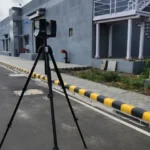
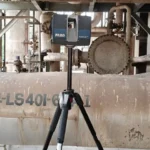
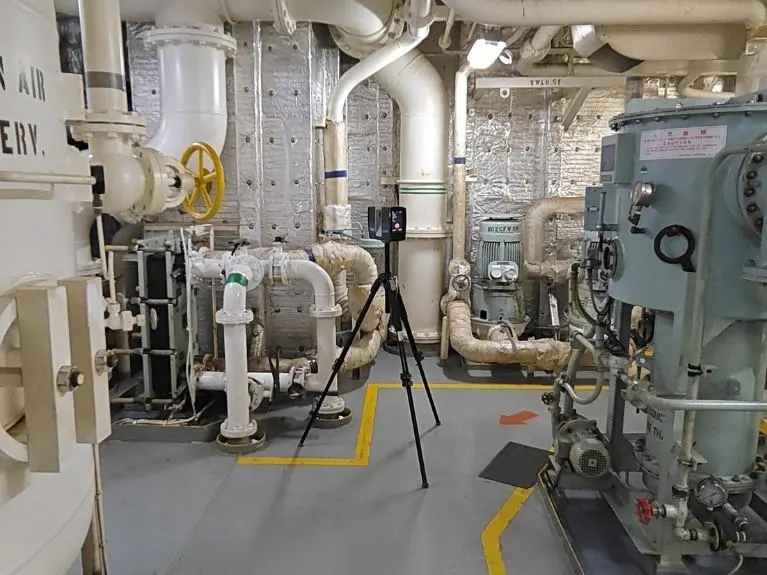
The process typically begins with detailed site data collection using advanced technologies such as 3D laser scanning, LiDAR, drones, and traditional surveying methods. These technologies capture precise measurements and spatial information from the existing structure.
The collected data is then converted into point clouds, which serve as the foundation for BIM model development. Skilled BIM professionals use specialized software to transform this information into intelligent 3D models that accurately represent the building’s architecture, structure, and MEP systems.
Finally, rigorous quality control and validation procedures are performed to verify the accuracy of the model against actual site conditions. This ensures that the completed as-built BIM model meets project requirements and industry standards.
Key Benefits of Accurate As-Built BIM Models
Accurate as-built BIM models provide numerous advantages throughout the lifecycle of a building.
Enhanced Facility Management
Facility managers rely on accurate building information to maintain equipment, schedule repairs, and manage building assets effectively. As-built BIM models provide centralized access to critical information, improving operational efficiency.
Simplified Renovation and Retrofit Projects
Renovation projects often face challenges due to incomplete or outdated documentation. Accurate as-built models allow design teams to understand existing conditions before work begins, reducing surprises and minimizing project risks.
Better Asset Management
Building owners can use as-built BIM models to track assets, monitor equipment performance, and plan maintenance activities. This improves asset longevity and helps reduce operational costs.
Improved Collaboration
Architects, engineers, contractors, and facility managers can access the same digital model, creating a collaborative environment where all stakeholders work with consistent information.
Cost and Time Savings
Accurate building data helps reduce errors, avoid unnecessary site visits, and improve project planning. As a result, organizations can save both time and money throughout construction and facility operations.
Common Challenges in Creating Accurate As-Built BIM Models
Despite their benefits, creating accurate as-built BIM models can present several challenges.
Incomplete Documentation
Many existing buildings have outdated or missing drawings, making it difficult to establish accurate baseline information. This often requires extensive site surveys and data collection.
Complex Existing Structures
Older buildings and industrial facilities may have undergone multiple renovations over time. These modifications can create inconsistencies that complicate the modeling process.
Data Accuracy Concerns
The quality of the final BIM model depends on the accuracy of the collected data. Poor scanning practices, limited site access, or incomplete surveys can affect model reliability.
Coordination Issues
Large projects involve multiple stakeholders and disciplines. Coordinating architectural, structural, and MEP information can be challenging without proper workflows and communication.
Why Professional As-Built BIM Modelling Services Matter
While BIM software has become more accessible, creating accurate as-built models requires specialized expertise, technology, and quality control processes.
Expertise in Scan to BIM Workflows
Professional As-Built BIM Modelling Services utilize experienced BIM specialists who understand complex Scan to BIM workflows. They know how to process point cloud data, identify inconsistencies, and create highly detailed models that meet project requirements.
Advanced Technology and Software
Leading BIM service providers use cutting-edge technologies such as 3D laser scanners, LiDAR systems, and advanced BIM software platforms. These tools help capture and model building information with exceptional accuracy.
Improved Model Accuracy and Reliability
Professional teams follow established industry standards and quality assurance procedures to ensure that every model accurately reflects existing site conditions. This level of precision is critical for renovation, facility management, and future expansion projects.
By investing in professional services, organizations can reduce risks, improve project outcomes, and maximize the long-term value of their building information models.
Conclusion
Accurate As-Built BIM models have become an essential component of modern construction and facility management. They provide reliable documentation, improve decision-making, reduce costly errors, and support efficient building operations throughout the asset lifecycle.
As construction projects become increasingly complex, the demand for precise building information continues to grow. Professional As-Built BIM Modelling Services help organizations capture accurate data, create reliable digital models, and establish a solid foundation for future maintenance, renovations, and expansions.
Investing in accurate as-built BIM models is not simply a technology upgrade—it is a strategic decision that delivers long-term value for building owners, facility managers, and construction professionals alike.
FAQs
1. What is an As-Built BIM model?
An As-Built BIM model is a digital representation of a building’s actual constructed condition, including all changes made during the construction process.
2. Why are As-Built BIM models important?
They provide accurate building documentation, support facility management, simplify renovations, and help reduce errors during future projects.
3. How are As-Built BIM models created?
They are typically created using site surveys, 3D laser scanning, point cloud data processing, and BIM modeling software.
4. What is Scan to BIM?
Scan to BIM is the process of converting laser-scanned point cloud data into an intelligent BIM model that accurately represents existing conditions.
5. Who uses As-Built BIM models?
Architects, engineers, contractors, facility managers, building owners, and maintenance teams use as-built BIM models throughout a building’s lifecycle.