

MEP Scan
to BIM Services
Convert Point Cloud Data into Accurate MEP BIM Models for Coordination, Retrofit, and Facility Management.
MEP Scan to BIM Modelling Services
MEP Scan to BIM is a precision-driven process that converts laser-scanned point cloud data into highly detailed Mechanical, Electrical, and Plumbing (MEP) BIM models. It enables accurate mapping of existing building services, ensuring clash-free coordination, efficient retrofitting, and optimized system design. Our MEP Scan to BIM services deliver data-rich, coordination-ready models tailored for complex building systems and infrastructure projects.
WHAT WE DO
We convert high-density point cloud data into accurate MEP Scan to BIM Services, capturing real-world conditions of HVAC, piping, electrical, and fire protection systems. Our models support coordination, retrofitting, facility management, and construction planning.
Our services support:
- As-built MEP documentation
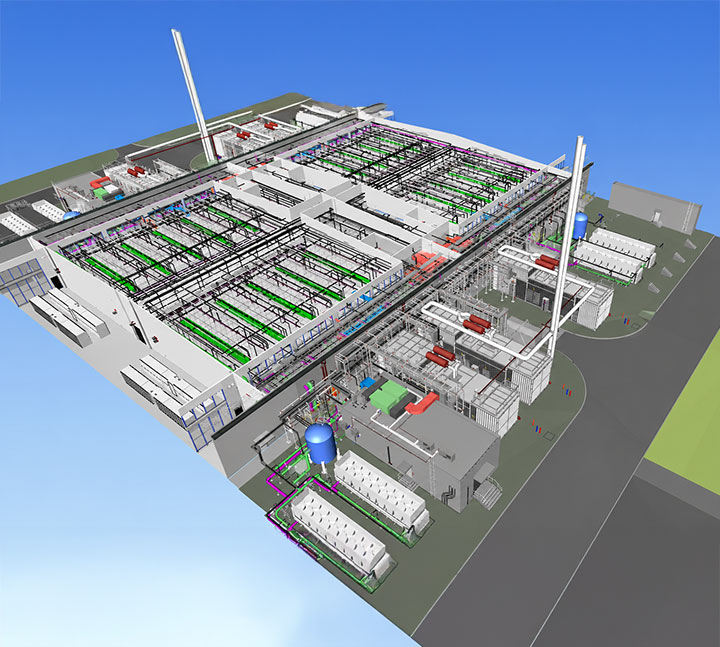
- HVAC ducting and piping system modelling
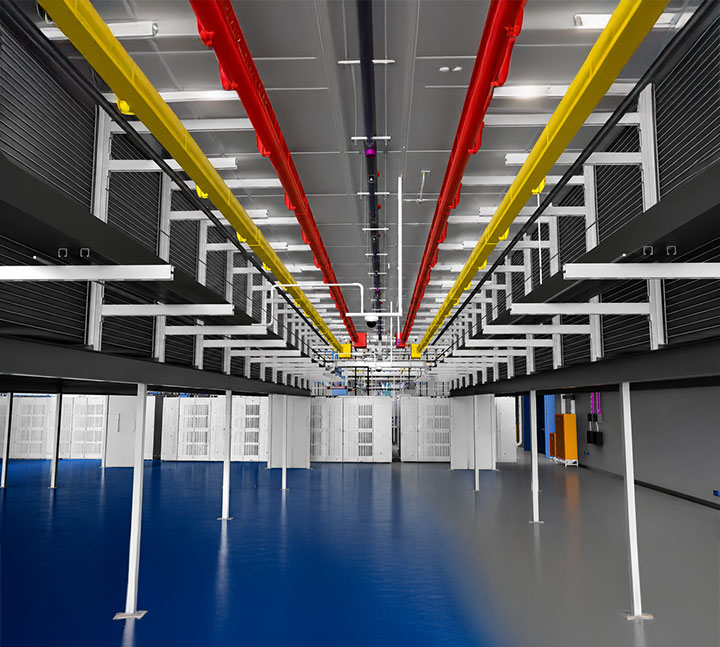
- Electrical and cable tray routing
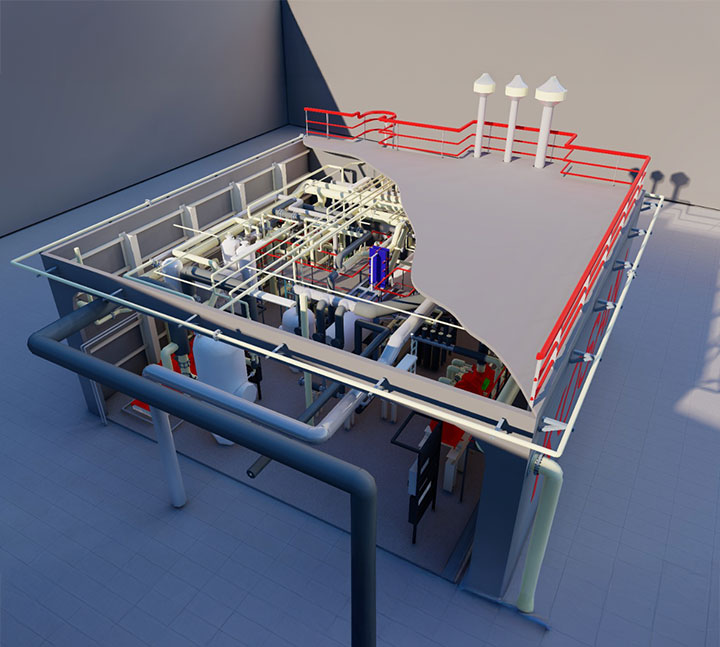
- Plant room and equipment modelling
- Retrofit and brownfield MEP coordination
- Digital twin for building services
MEP Modelling Strategy
Basic MEP Modelling
- Simplified modelling of MEP systems
- Generic components without detailed parameters
- Suitable for visualization and preliminary planning
Advanced MEP BIM Modelling
- Parametric Revit MEP families and systems
- Accurate system sizing and connectivity
- LOD-based modelling (LOD 300–400)
- Integration with COBie and IFC standards
- Fully coordinated and clash-resolved models
Level of Development (LOD)
From conceptual placeholders to fabrication-ready components — families built to the LOD your project demands.
Approximate MEP Routing
Accurate MEP Geometry
Coordination-Level Systems
Fabrication-Ready MEP Model
MEP Scan to BIM Workflow
01
Scan Data Acquisition
- Site scanning using LiDAR systems to capture dense MEP environments
- Coverage includes ceilings, service corridors, plant rooms, and shafts
- Data captured in formats such as .E57, .RCP, .LAS
02
Point Cloud Registration
- Alignment of multiple scans into a unified dataset
- High-accuracy registration ensuring minimal deviation
- Generation of registration reports for QA
03
Point Cloud Cleaning & Segmentation
- Removal of noise and irrelevant objects
- Segmentation based on MEP zones (HVAC, piping, electrical)
- Preparation of optimized datasets for modelling
04
BIM Project Setup
- Point cloud linked into Revit MEP environment
- Establishment of levels, grids, and shared coordinates
- Setup aligned with BIM Execution Plan (BEP)
05
MEP BIM Modelling
- HVAC systems: ducts, diffusers, AHUs, VAVs
- Plumbing systems: pipes, valves, fittings
- Electrical systems: cable trays, conduits, lighting fixtures
- Fire protection systems: sprinklers, piping networks
- Accurate sizing and routing based on scan data
06
Coordination & Clash Detection
- Multi-discipline coordination with architectural and structural models
- Detection of clashes between MEP systems and other disciplines
- Resolution of routing conflicts and clearance issues
07
Quality Control & Final Delivery
- Model validation against point cloud data
- Deviation checks and tolerance verification
- Final coordinated MEP BIM model delivered
Deliverables
- ISO 19650 compliant BIM workflows
- BEP-driven modelling process
- Tolerance-based validation using point cloud
- Standardized naming and classification systems
- IFC and COBie interoperability
Common Questions
What is MEP Scan to BIM?
It is the process of converting scanned data into detailed BIM models of building services systems.
How accurate are MEP models?
Typically within ±5mm depending on scan density and project requirements.
Do you include clash detection?
Yes, clash detection and coordination are integral parts of our workflow.
Can you model complex plant rooms?
Yes, we specialize in high-density MEP environments including plant rooms and service corridors.
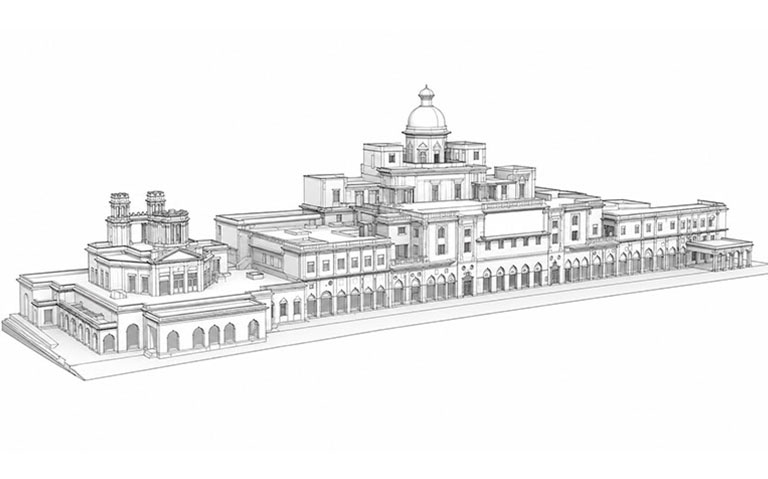
Featured Success Story
Frequently Asked Questions
MEP Scan to BIM converts laser-scanned point cloud data into accurate BIM models representing HVAC, plumbing, electrical, and fire protection systems for renovation and facility management projects.
MEP Scan to BIM helps identify existing system layouts accurately, reducing clashes, minimizing rework, improving coordination, and supporting efficient renovation and retrofit planning processes.
Point cloud data can be used to model HVAC ducting, piping systems, cable trays, electrical routing, fire protection networks, and complex plant room installations accurately.
MEP BIM models are typically developed within tight tolerance ranges, depending on scan quality, project complexity, and client-specific accuracy requirements for construction and facility operations.
MEP BIM workflows commonly use Autodesk Revit, Navisworks, AutoCAD, and point cloud processing software for modelling, coordination, clash detection, and documentation generation.
Clash detection identifies conflicts between HVAC, plumbing, electrical, and structural systems before construction, helping teams reduce delays, coordination issues, and costly on-site modifications.
Yes, accurate MEP BIM models provide the foundation for digital twins by integrating building system data, operational information, and real-time facility management workflows.
MEP BIM services are widely used in healthcare, industrial facilities, data centers, infrastructure projects, commercial retrofits, and large-scale building management operations.
Typical deliverables include Revit models, IFC files, clash reports, MEP layout drawings, point cloud files, asset schedules, and deviation analysis reports.
MEP BIM improves facility management by providing accurate system layouts, asset data, maintenance information, and coordinated models for efficient building operations and future upgrades.
Digitize your building services with precise MEP BIM models.
Need accurate 3D BIM MEP models from point cloud or CAD data?
Share your project requirements or input files.
We will review and provide a clear scope, timeline, and deliverables.
Headquarters
Rajkot Office
Nr. Shreeji Gau Shala, B/h Tulip Party Plot
Premvati, Vavdi, Rajkot – 360004
India
Vadodara Office
3rd Floor, Siddharth Magnum Plus
Tarsali – Danteshwar Ring Road
Vadodara -390009
General Inquiries
© 2026 Fibrox 3D. All rights reserved. | Developed by SkyWebTech