

3D Laser Scanning For Heritage
Lidar Scanning for Conservation, Documentation, and Restoration Digital Preservation of Historical Assets
Digital Preservation of Historical Assets
We provide 3D laser scanning services for heritage structures to capture accurate, detailed records of historical buildings and monuments. Using LiDAR technology, we generate high-density point cloud data that preserves geometry, intricate details, and existing conditions for documentation and conservation.
Our heritage scanning services support restoration, conservation planning, and digital archiving. The captured data integrates with workflows such as Heritage BIM (HBIM), Scan to CAD, and digital twin development—ensuring long-term preservation and accurate analysis of heritage assets.
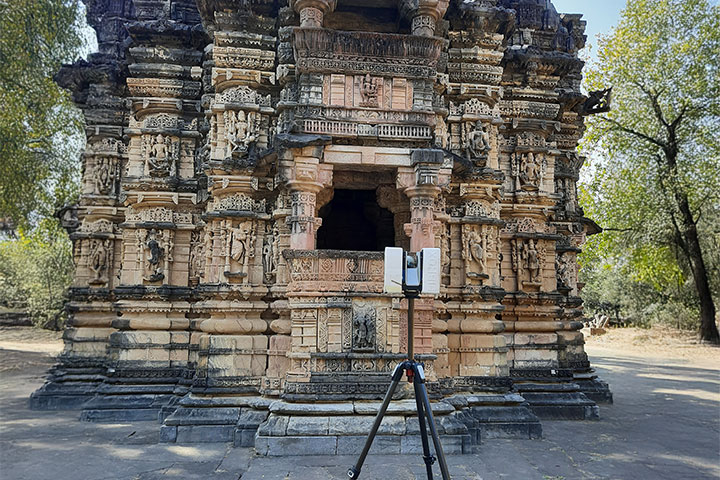
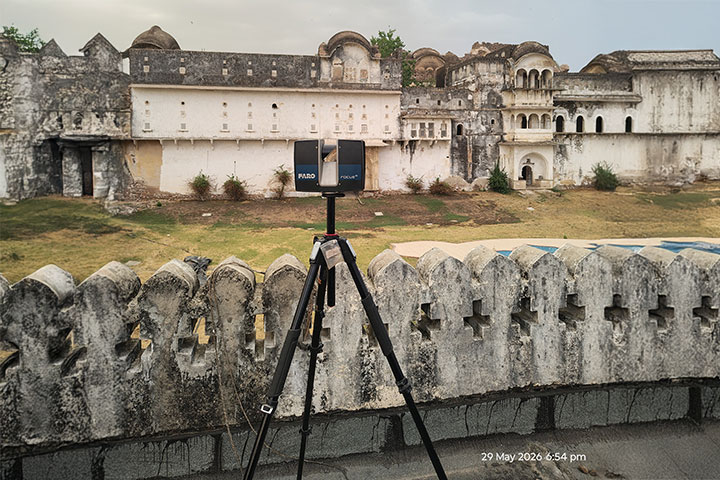
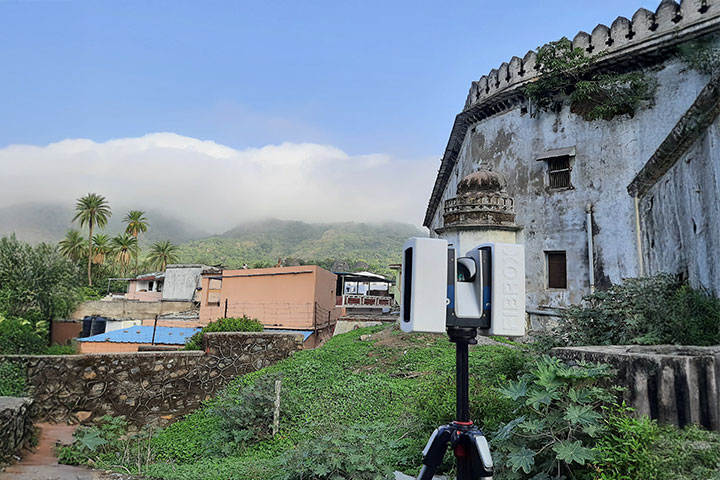
Our Heritage Laser Scanning Services
Historic Building Scanning
Capture detailed geometry of heritage buildings, monuments, and cultural sites.
Façade & Ornamentation Scanning
Capture intricate architectural details, carvings, and façade elements.
Restoration & Conservation Support
Provide accurate data for repair, restoration, and conservation planning.
HBIM (Heritage BIM) Data Capture
Provide accurate point cloud data for creating parametric HBIM models.
Interior Heritage Documentation
Scan interiors, including ceilings, domes, and decorative elements.
Digital Archiving
Create permanent digital records of heritage assets for future reference.
Why Choose Our Heritage Scanning Services
High-Detail Capture
Accurately records complex geometries and fine architectural details.
Non-Invasive Technology
No physical contact with sensitive or protected structures.
Preservation of Existing Conditions
Captures true as-is conditions for conservation and restoration.
BIM & CAD Integration Ready
Supports HBIM modelling and documentation workflows.
Reduced Site Risk
Minimizes physical intervention in fragile environments.
Reliable Data for Conservation
Supports accurate restoration and long-term asset management.
Industries We Serve
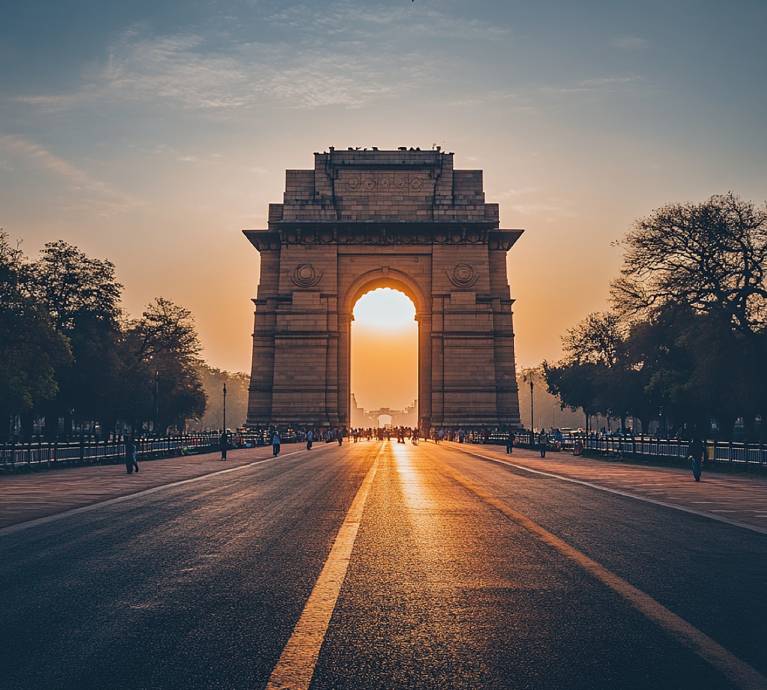
Heritage & Conservation
Monuments and historical buildings

Government & Public Bodies
Cultural asset documentation
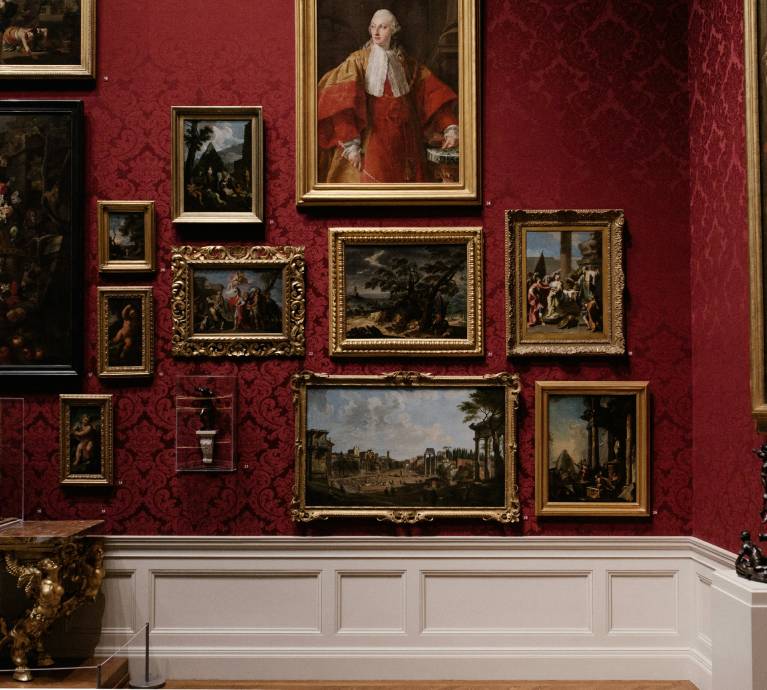
Museums & Institutions
Preservation and archiving

Tourism
Heritage site management

Religious Structures
Temples, churches, and heritage places
Our Heritage Scanning Workflow
01
Project Requirement Review
Review:
• Heritage asset scope and access conditions
• Required level of detail and deliverables
02
Scan Planning and Setup
Plan:
• Scanner positioning to capture intricate details
• Access strategy for sensitive areas
03
On-Site Laser Scanning
Capture:
• High-density point cloud of exteriors and interiors
• Fine architectural and ornamental details
04
Point Cloud Registration
Process:
• Align multiple scans into a unified dataset
• Ensure high accuracy for complex geometry
05
Point Cloud Cleaning & Processing
Refine:
• Remove noise and unwanted data
• Enhance clarity of detailed features
06
Data Validation & Quality Check
Verify:
• Completeness and accuracy of captured data
• Alignment with conservation requirements
07
Final Data Structuring & Delivery
Organize:
• Heritage-ready point cloud datasets
• Structured outputs for HBIM and documentation
Deliverables
- Registered point cloud data (.E57 / .RCP/ .RCS)
- High-detail scan datasets for HBIM
- 2D drawings (plans, elevations, sections) (.DWG / .PDF)
- BIM-ready data for heritage modelling
- Digital documentation and archival datasets
- Scan reports and accuracy documentation
Featured Success Story
Frequently Asked Questions
It captures precise geometric and structural data, preserving digital records for restoration, analysis, and archiving.
Accurate 3D models help conservators plan interventions, replicate missing parts, and maintain historical accuracy.
Yes, scans reveal cracks, deformation, and material loss that may be invisible to manual inspections.
Yes, non-contact scanning ensures preservation without causing any physical impact on delicate structures.
Digital models allow immersive walkthroughs and educational visualization without needing physical access.
Yes, scan data can feed into CAD/BIM tools for precise restoration and monitoring workflows.
Yes, repeated scans document changes, ensuring interventions are effective and reversible if needed.
Absolutely, outdoor monuments, facades, and archaeological sites can be captured with high accuracy.
Scanning is significantly faster, covering large sites quickly while maintaining detailed accuracy.
Yes, detailed digital records provide proof of condition for funding, insurance, or regulatory purposes.
Need accurate digital documentation for a heritage structure?
Share your project details or site information.
We will provide a clear scanning plan, scope, and deliverables.
Headquarters
Rajkot Office
Nr. Shreeji Gau Shala, B/h Tulip Party Plot
Premvati, Vavdi, Rajkot – 360004
India
Vadodara Office
3rd Floor, Siddharth Magnum Plus
Tarsali – Danteshwar Ring Road
Vadodara -390009
General Inquiries
© 2026 Fibrox 3D. All rights reserved. | Developed by SkyWebTech