

Reverse Engineering service
Reality Capture for Product Reconstruction, Design Validation, and Manufacturing
Reverse Engineering & CAD Reconstruction from 3D Scan Data
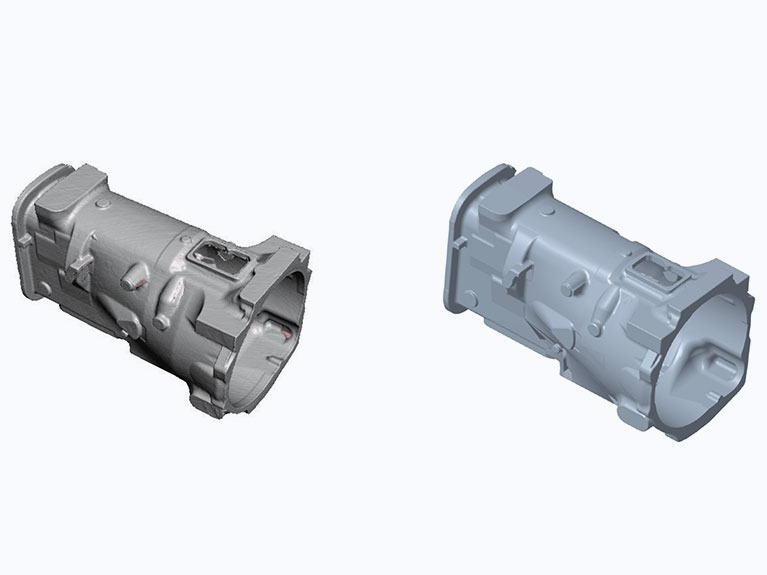
We provide 3D laser scanning services for reverse engineering to capture accurate geometry of existing components, equipment, and assemblies. Using high-resolution scanning technology, we generate detailed point cloud data that enables reconstruction of 3D CAD models for design, analysis, and manufacturing.
Our reverse engineering scanning services help convert physical objects into digital models for redesign, modification, or replication. The captured data integrates with workflows such as CAD modelling, product development, inspection, and prototyping—ensuring accuracy and efficiency in engineering processes.
Applications of Reverse Engineering Scanning:
- Component Redesign workflows
- Physical Object Replication
- Seamless CAD Modelling arrays
- Intact Product Development
- Flawless Inspection Validation
- Digital Prototyping refinement
Core Reverse Engineering
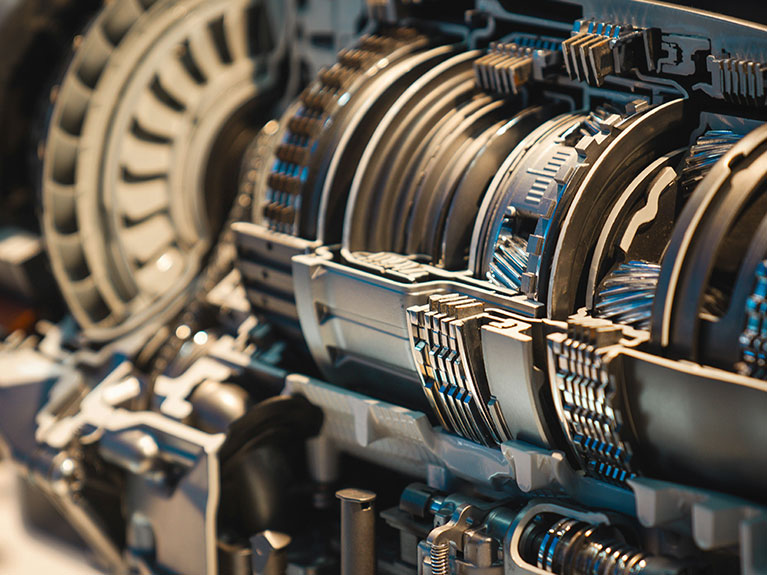
Component & Part Scanning
Capture precise geometry of mechanical parts for CAD reconstruction and redesign.
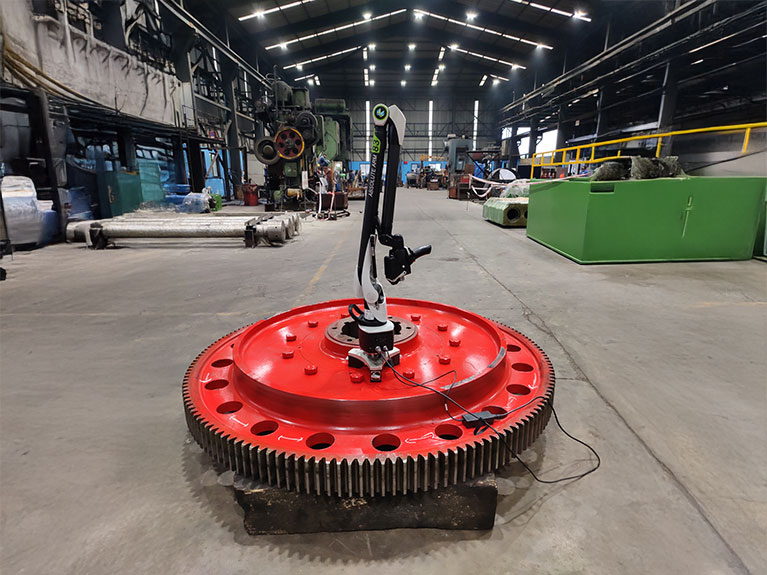
Industrial Equipment Scanning
Scan machinery and assemblies for modification, upgrade, or documentation.
Prototype Digitization
Actively absolutely convert purely physical handmade prototypes directly into accurate pristine digital models securely ready for total refinement.
Product Reverse Engineering
Digitize existing products to recreate 3D models for analysis or manufacturing.
Tooling & Mold Scanning
Capture dies, molds, and tooling components for replication or improvement.
As-Built Engineering Models
Create accurate models of existing systems where design data is unavailable.
Why Choose Our Reverse Engineering Services?
High-Accuracy Geometry Capture
Captures complex shapes and freeform surfaces with precision.
CAD-Ready Data Output
Point cloud data prepared for seamless CAD modelling workflows.
Non-Contact Measurement
Safe scanning of delicate or complex components.
Faster Product Development
Reduces time required for manual measurement and modelling.
Supports Redesign & Optimization
Enables design improvements and performance analysis.
Reliable Manufacturing Data
Ensures accuracy for replication and production processes.
Industries We Serve
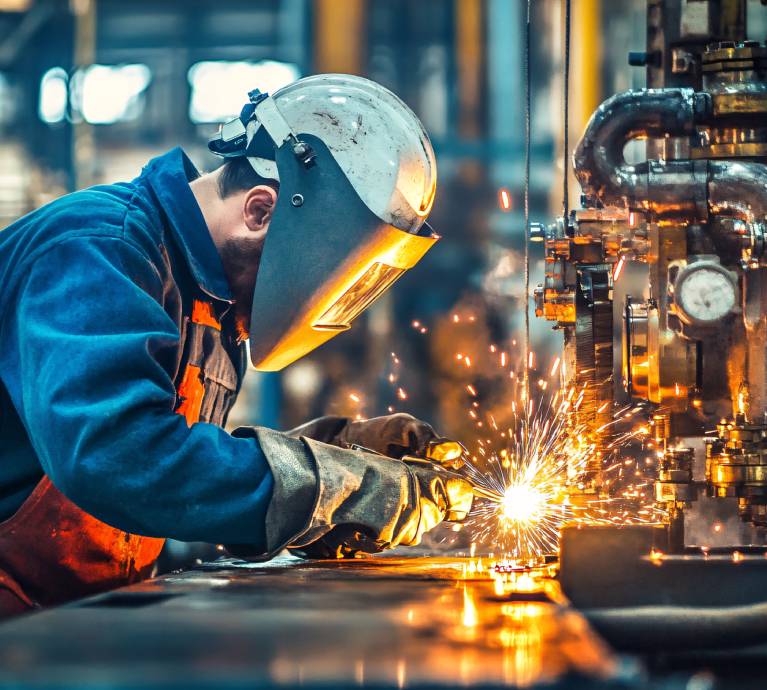
Manufacturing
Product and component development
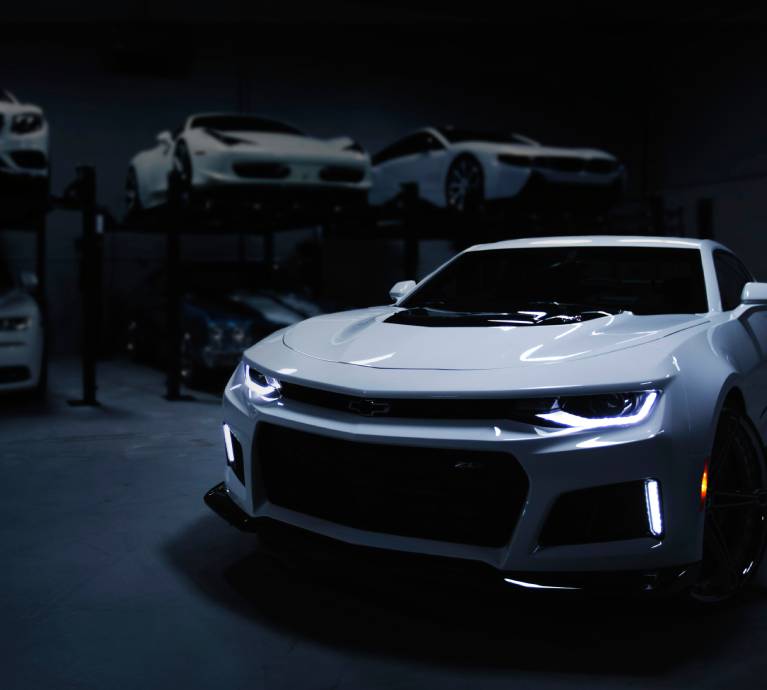
Automotive
Parts and assemblies reverse engineering
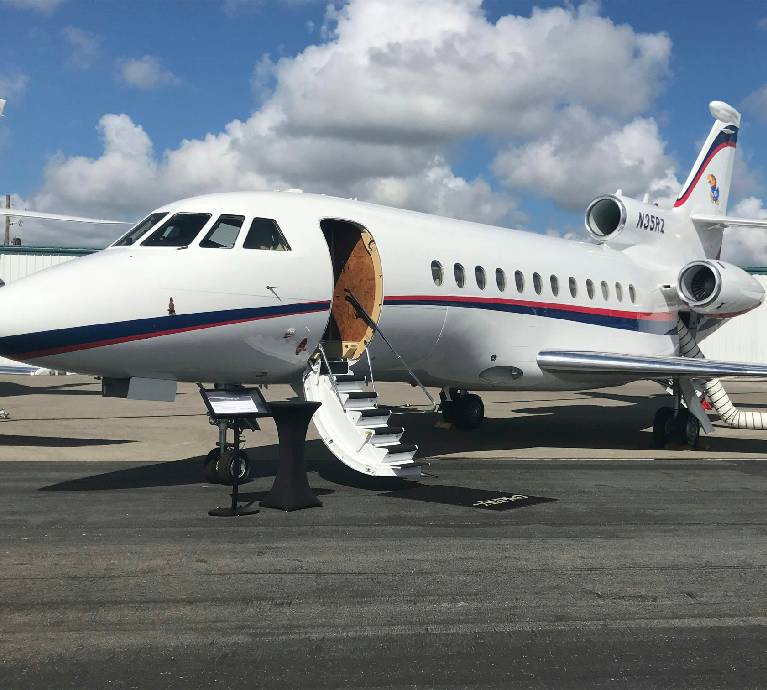
Aerospace
Complex component reconstruction
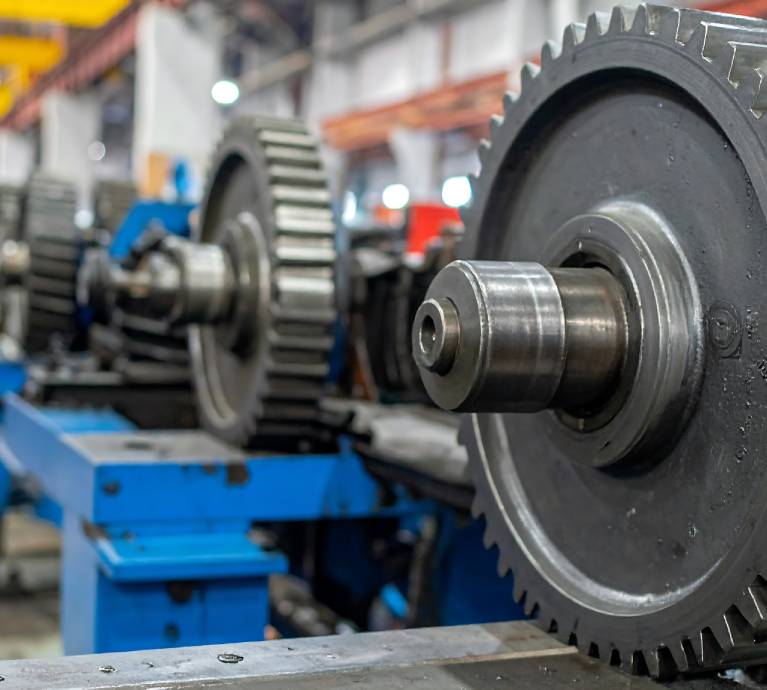
Industrial
Machinery and equipment modelling
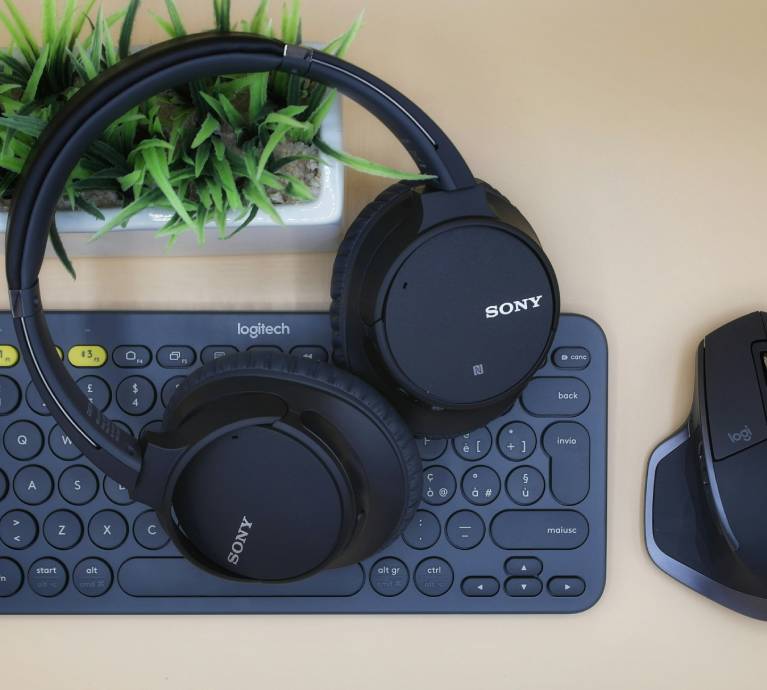
Consumer Products
Design replication and improvement
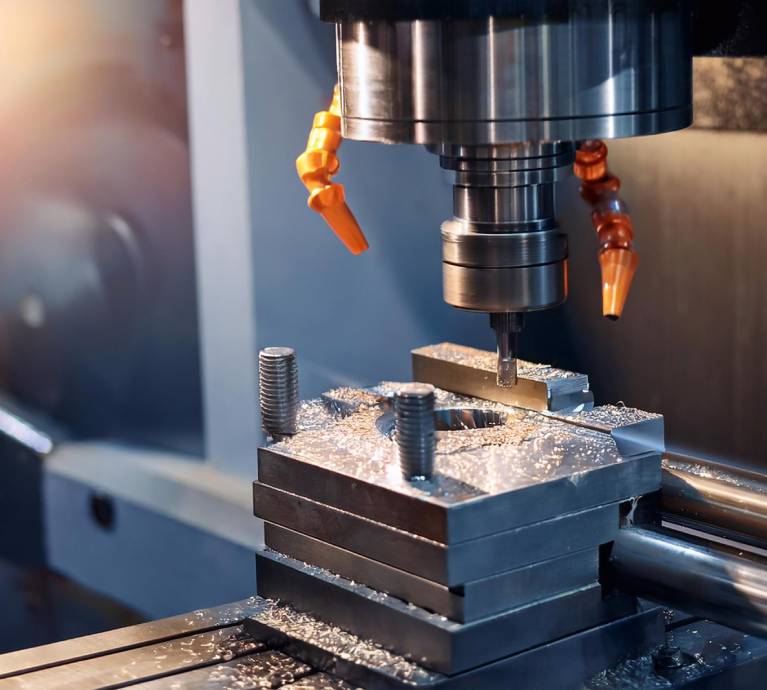
Tooling & Molds
Die and mold reconstruction
Our Reverse Engineering Workflow
01
Project Requirement Review
Review:
• Component or product scope
• Required accuracy and output format
02
Scan Planning and Setup
Plan:
• Scanner positioning based on geometry complexity
• Surface preparation if required
03
3D Laser Scanning
Capture:
• High-resolution point cloud data
• Detailed geometry including complex surfaces
04
Point Cloud Processing
Process:
• Align and merge scan data
• Clean and optimize dataset
05
Mesh Generation
Develop:
• Create 3D mesh from point cloud
• Refine mesh for smooth surfaces
06
CAD Model Reconstruction
Create:
• Parametric CAD models from mesh/point cloud
• Feature-based modelling for engineering use
07
Quality Control & Validation
Verify:
• Model accuracy against scanned data
• Compliance with design requirements
08
Final Data Structuring & Delivery
Organize:
• CAD models and scan datasets
• Documentation and reports
Deliverables
- Point cloud data (.E57 / .XYZ/ .LAS)
- 3D mesh models (.STL / .OBJ)
- CAD models (.STEP/ .IGES / .DWG)
- 2D drawings (.DWG / .PDF)
- Deviation analysis reports (if required)
- Engineering documentation and datasets
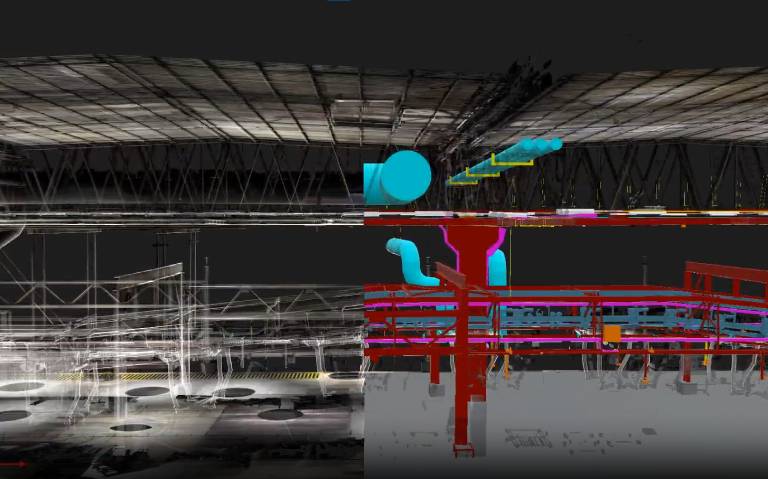
Featured Success Story
Frequently Asked Questions
Reverse engineering captures an object’s geometry to recreate CAD models for reproduction, modification, or analysis.
It helps reproduce parts without existing CAD data, optimize designs, or improve functionality of legacy components.
Automotive, aerospace, manufacturing, and marine industries use it for design replication and optimization.
Modern scanners achieve millimeter-level precision, creating highly reliable digital models for manufacturing.
Yes, legacy components can be scanned and recreated in CAD for replacements or upgrades.
Yes, it quickly generates digital models, shortening design and prototyping cycles.
Absolutely, deviations between scans and original designs highlight wear, deformations, or defects.
By comparing scanned parts to CAD, reverse engineering ensures dimensional compliance and functionality.
Yes, reverse-engineered CAD models can be directly 3D printed for prototyping or production.
Yes, it avoids manual measurement errors, reduces material wastage, and accelerates part reproduction.
Need to convert physical components into accurate CAD models?
Share your part details or project requirements.
We will provide a clear scanning and modelling workflow with deliverables.
Headquarters
Rajkot Office
Nr. Shreeji Gau Shala, B/h Tulip Party Plot
Premvati, Vavdi, Rajkot – 360004
India
Vadodara Office
3rd Floor, Siddharth Magnum Plus
Tarsali – Danteshwar Ring Road
Vadodara -390009
General Inquiries
© 2026 Fibrox 3D. All rights reserved. | Developed by SkyWebTech