What is 3D Scanning Technology?
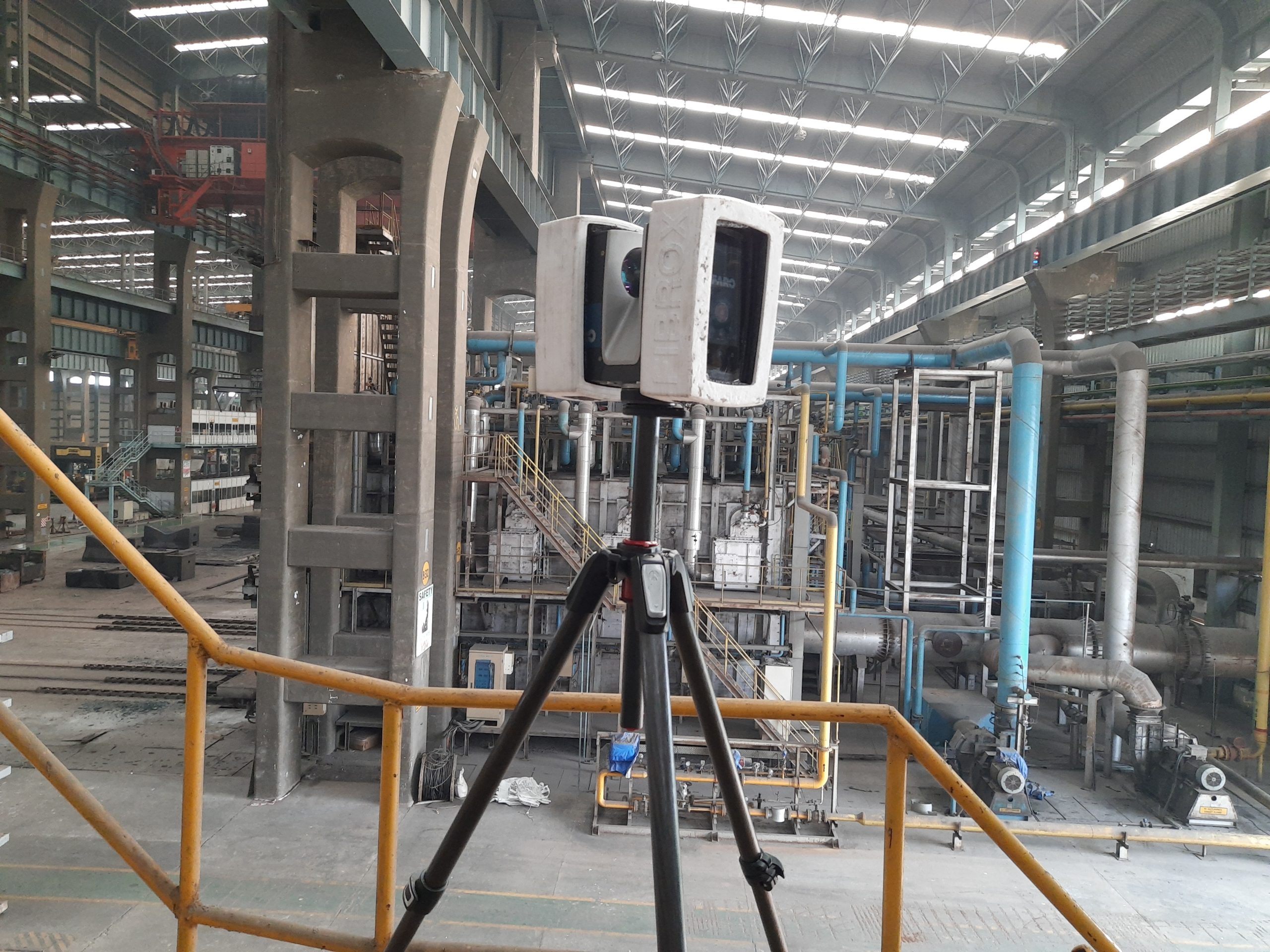
3D scanning technology is a modern method used to capture the exact shape, size, and details of a physical object or environment and convert it into a digital 3D model. Instead of using traditional measuring tools, this technology uses advanced methods like laser scanning, LiDAR, or photogrammetry to collect highly accurate data.
In simple terms, 3D scanning creates a digital replica of real-world objects, which can be used for design, analysis, modification, and documentation.
This technology is widely used across industries because it:
- Saves time compared to manual measurements
- Provides high accuracy
- Reduces human error
- Improves project efficiency
As industries move towards digital transformation, 3D scanning has become an essential tool for capturing real-world data quickly and accurately.
Key Applications of 3D Scanning Technology
3D scanning technology is used across multiple industries to solve real-world challenges. Below are the most important and practical applications:
1. Construction & Infrastructure
In construction, accuracy is critical. Even small measurement errors can lead to costly rework and delays. 3D scanning helps capture the exact site conditions before and during construction.
Key uses:
- Creating accurate as-built documentation
- Converting scan data into BIM models (Scan to BIM)
- Detecting clashes between design and actual site conditions
- Monitoring construction progress
Real-world value:
Instead of relying on outdated drawings, engineers work with real-time, accurate data, which reduces errors and improves project planning.
2. Manufacturing & Reverse Engineering
3D scanning plays a major role in modern manufacturing, especially when design data is missing or needs improvement.
Key uses:
- Recreating damaged or obsolete parts
- Converting physical objects into CAD models
- Inspecting manufactured parts for quality control
- Improving product design
Real-world value:
Manufacturers can reproduce parts quickly and ensure they meet exact specifications, saving both time and production costs.
3. Automotive Industry
In the automotive sector, 3D scanning is used for both design and maintenance processes.
Key uses:
- Designing custom vehicle components
- Reverse engineering of spare parts
- Inspection and testing of vehicle components
- Restoration of old or vintage vehicles
Real-world value:
It allows engineers to create more accurate and better-performing components while reducing development time.
4. Aerospace Industry
Aerospace requires extremely high precision, and 3D scanning helps meet strict safety and performance standards.
Key uses:
- Inspection of aircraft components
- Maintenance, repair, and overhaul (MRO)
- High-precision measurement of complex parts
Real-world value:
It ensures safety by detecting even the smallest defects and maintaining high-quality standards.
5. Oil & Gas and Industrial Plants
Industrial environments are complex, and accurate data is essential for maintenance and upgrades.
Key uses:
- Capturing existing plant layouts
- Planning modifications or expansions
- Maintenance and shutdown planning
- Safety and risk analysis
Real-world value:
3D scanning reduces downtime by helping teams plan work accurately before entering the site.
6. Heritage & Architecture
3D scanning is widely used to preserve historical structures and monuments.
Key uses:
- Creating digital records of heritage sites
- Restoration and renovation planning
- Virtual tours and visualization
Real-world value:
It helps preserve important structures by documenting them accurately for future generations.
7. Healthcare Industry
3D scanning is making healthcare more personalized and efficient.
Key uses:
- Designing custom prosthetics and implants
- Creating patient-specific models
- Supporting medical research and planning
Real-world value:
Doctors can provide better treatment with customized solutions tailored to each patient.
8. Surveying & Mapping
3D scanning is widely used in land surveying and mapping projects.
Key uses:
- Topographic surveys
- Land mapping using drones
- Urban planning and development
Real-world value:
Surveyors can cover large areas quickly with high accuracy, reducing manual work.
9. Facility Management
3D scanning helps manage buildings and facilities more efficiently.
Key uses:
- Creating digital twins of buildings
- Space management and optimization
- Maintenance planning
Real-world value:
Facility managers can make better decisions using accurate building data.
Watch Video:
Quick Guide: Choosing the Right 3D Scanning Application
| Industry | Main Use | Key Benefit |
| Construction | As-built & BIM | Reduced errors |
| Manufacturing | Reverse engineering | Cost savings |
| Automotive | Design & inspection | Faster development |
| Aerospace | Precision inspection | High safety |
| Oil & Gas | Plant modeling | Reduced downtime |
| Heritage | Documentation | Preservation |
| Healthcare | Custom models | Better treatment |
| Surveying | Mapping | Faster data capture |
| Facility Management | Digital twins | Better planning |
Benefits of 3D Scanning in These Applications
3D scanning technology offers several benefits that make it valuable across industries:
1. High Accuracy and Precision
3D scanning provides highly accurate data, often at millimeter-level precision, which is essential for engineering and design.
2. Faster Project Execution
Data can be captured quickly, reducing project timelines and speeding up decision-making.
3. Reduced Errors and Rework
Accurate data minimizes mistakes, which helps avoid costly rework and delays.
4. Improved Visualization
3D models make it easier to understand complex structures and designs, improving planning and communication.
5. Cost Savings
By reducing errors, saving time, and improving efficiency, 3D scanning helps lower overall project costs.
Future of 3D Scanning Technology
The future of 3D scanning technology looks promising as it continues to evolve with advancements in digital tools and automation.
Key Trends:
- Integration with digital twin technology
- Use of AI for faster data processing
- Real-time scanning and modeling
- Increased use in smart cities and infrastructure
As these technologies advance, 3D scanning will become even more powerful and widely adopted across industries.
Conclusion
3D scanning technology is transforming the way industries capture and use real-world data. From construction and manufacturing to healthcare and heritage preservation, its applications are vast and impactful.
By providing accurate, fast, and reliable data, 3D scanning helps businesses improve efficiency, reduce costs, and make better decisions.
As industries continue to embrace digital transformation, the importance of 3D scanning technology will only continue to grow.
FAQs
1. What is 3D scanning technology used for?
3D scanning technology is used to capture real-world objects and convert them into digital 3D models for design, analysis, and manufacturing.
2. Which industries use 3D scanning technology?
Industries such as construction, manufacturing, automotive, aerospace, healthcare, and oil & gas use 3D scanning technology.
3. How accurate is 3D scanning?
Modern 3D scanning technologies provide high accuracy, often up to millimeter or sub-millimeter precision.
4. What are the benefits of 3D scanning?
It offers accuracy, faster data capture, reduced errors, better visualization, and cost savings.
5. Is 3D scanning expensive?
The cost depends on project size and complexity, but it is cost-effective in the long run by reducing errors and saving time.