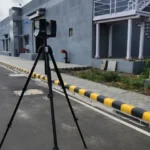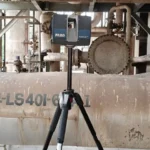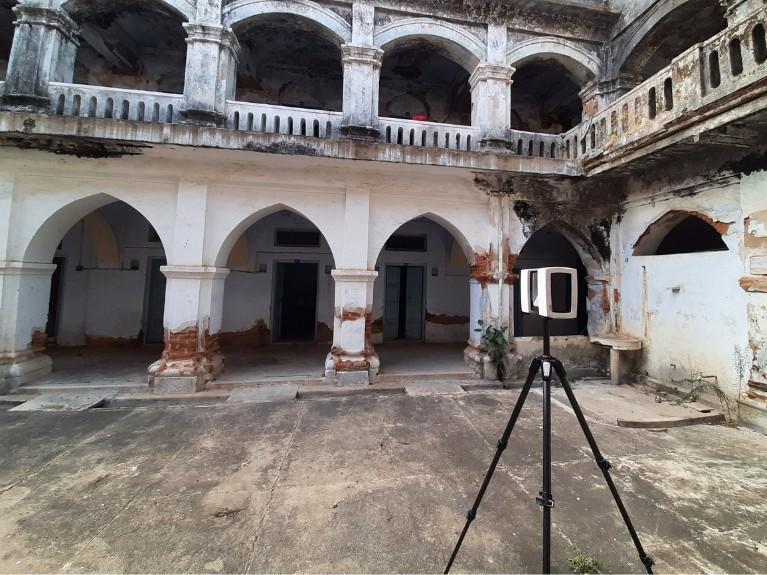
Choosing between photogrammetry vs 3D laser scanning isn’t just a technical decision it directly impacts your project’s accuracy, cost, and timeline. Selecting the wrong method can lead to costly rework, data inaccuracies, and delays.
Both digital photogrammetry and 3D laser scanning (LiDAR) are powerful technologies for capturing real-world data and converting it into 3D models. However, they differ significantly in how they work, their precision levels, and their ideal use cases.
In this guide, we’ll break down the difference between photogrammetry and laser scanning, compare their performance, and help you choose the right solution for your project.
What is Digital Photogrammetry?
Digital photogrammetry is a method of creating 3D models using multiple photographs taken from different angles. These images are processed using software to generate a detailed 3D representation of an object or environment.
Instead of using sensors or lasers, photogrammetry relies on standard cameras and advanced algorithms to reconstruct shapes and surfaces.
Key features:
- Uses images instead of laser data
- Cost-effective and accessible
- Ideal for large outdoor areas
Common uses:
- Land surveying and mapping
- Drone-based aerial surveys
- Heritage documentation
- Real estate visualization
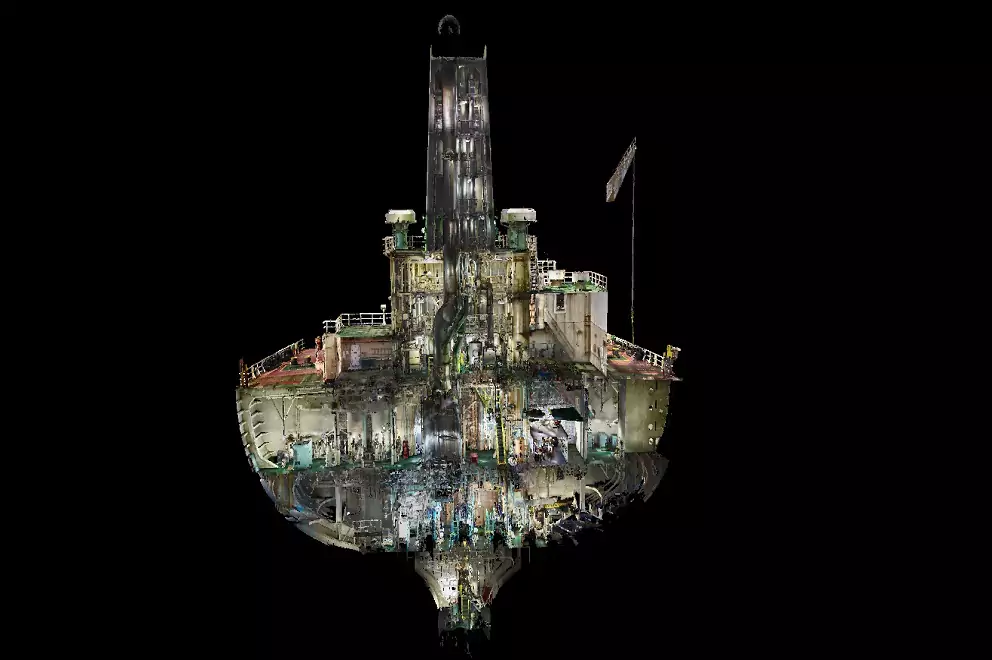
What is 3D Laser Scanning?
3D laser scanning (also known as LiDAR scanning) uses laser beams to capture precise measurements of objects and environments. The scanner emits laser pulses and measures the time it takes for the light to return, creating a highly accurate point cloud.
This method is widely used in industries where precision is critical.
Key features:
- Uses laser technology for measurement
- Produces highly accurate data
- Works well in complex environments
Common uses:
- Construction and infrastructure projects
- Industrial plant scanning
- Scan to BIM workflows
- Engineering and inspection
Photogrammetry vs 3D Laser Scanning: Key Differences
Understanding the difference between photogrammetry vs 3D laser scanning helps you choose the right technology based on your project needs. While both are used to create 3D models, they work in very different ways and offer different levels of accuracy, cost, and usability.
Feature | Photogrammetry | 3D Laser Scanning |
Data Capture Method | Photographs | Laser beams (LiDAR) |
Accuracy | Medium (depends on conditions) | High (millimeter-level) |
Cost | Lower | Higher |
Speed | Moderate (capture + processing) | Fast capture |
Best Use Cases | Large outdoor areas, visualization | Industrial, engineering precision |
| Output | Textured 3D models | Accurate point clouds |
1. Data Capture Method
Photogrammetry uses overlapping images to reconstruct 3D models, while 3D laser scanning uses laser pulses to measure distances directly.
2. Accuracy
When comparing photogrammetry vs laser scanning accuracy, laser scanning offers millimeter-level precision (±1–3 mm). Photogrammetry accuracy varies (±5–20 mm) depending on lighting, camera quality, and image overlap.
3. Cost
Photogrammetry is more affordable since it uses cameras or drones, whereas 3D laser scanning requires specialized and expensive equipment.
4. Speed
3D laser scanning captures millions of data points in seconds, making it ideal for fast-paced industrial projects. Photogrammetry requires image capture and longer processing time.
5. Output Quality
Photogrammetry produces visually rich models with textures and colors, while laser scanning focuses on highly accurate geometry and measurements.
6. Best Use Cases
- Photogrammetry → Large areas, aerial mapping, visual outputs
- Laser Scanning → Industrial sites, BIM workflows, precision engineering
Advantages and Limitations of Photogrammetry
Photogrammetry is a flexible and cost-effective method for creating 3D models, especially for large-scale and visual-focused projects. However, it also has some limitations depending on the environment and accuracy requirements.
Advantages of Photogrammetry
- Cost-Effective Solution
Photogrammetry uses standard cameras or drones, making it more affordable compared to advanced scanning equipment. - Ideal for Large Areas
It is highly effective for capturing large outdoor environments such as land surveys, construction sites, and heritage structures. - Rich Visual Output
Photogrammetry produces detailed 3D models with realistic textures and colors, making it ideal for visualization and presentations. - Easy Deployment
It can be quickly deployed using drones or handheld cameras without requiring complex setup.
Limitations of Photogrammetry
- Accuracy Depends on Image Quality
The final result heavily depends on camera quality, lighting conditions, and image overlap. - Affected by Environmental Conditions
Poor lighting, shadows, reflective surfaces, or weather conditions can impact the results. - Limited Performance in Complex Geometries
It may struggle to capture fine details or complex structures compared to laser scanning. - Processing Time Can Be High
Large sets of images require significant processing time to generate a complete 3D model.
Advantages and Limitations of 3D Laser Scanning
3D laser scanning is known for its high precision and reliability, making it a preferred choice for engineering and industrial applications. However, it comes with higher costs and technical requirements.
Advantages of 3D Laser Scanning
- High Accuracy and Precision
It provides millimeter-level accuracy, making it ideal for projects where precision is critical. - Fast Data Capture
3D laser scanners can capture millions of data points in seconds, significantly reducing fieldwork time. - Works in Complex Environments
It performs well in industrial plants, construction sites, and areas with complex geometries. - Reliable and Consistent Results
Unlike photogrammetry, it is less affected by lighting conditions, ensuring consistent data quality.
Limitations of 3D Laser Scanning
- Higher Cost
The equipment and processing involved make it more expensive compared to photogrammetry. - Requires Skilled Operators
Proper handling and data processing require trained professionals. - Large Data Files
Laser scanning generates heavy datasets that require powerful systems for processing and storage. - Limited Color Information
While it captures accurate geometry, it may not provide rich texture and color details like photogrammetry.
When to Use Photogrammetry vs 3D Scanning
Choose Photogrammetry if:
- You need a cost-effective solution
- Your project involves large outdoor areas
- Visual detail and textures are important
- You are using drone-based surveys
Choose 3D Laser Scanning if:
- You require high accuracy and precision
- You are working in industrial or complex environments
- Your project involves BIM or engineering workflows
- Precise measurements are critical
Conclusion:
There is no one-size-fits-all answer in the photogrammetry vs 3D laser scanning debate. The right choice depends on your project’s accuracy requirements, budget, and application.
- Choose photogrammetry for affordability and visual-rich models
- Choose 3D laser scanning for precision and engineering accuracy
In many modern projects, a hybrid approach combining both technologies – delivers the best results.
FAQs
1. What is the difference between photogrammetry and 3D laser scanning?
Photogrammetry uses photos to create 3D models, while 3D laser scanning uses lasers for precise measurements.
2. Which is more accurate: photogrammetry or laser scanning?
3D laser scanning offers higher accuracy (millimeter-level), while photogrammetry depends on image quality and conditions.
3. Is photogrammetry cheaper than 3D laser scanning?
Yes, photogrammetry is more affordable as it uses standard cameras, unlike expensive laser scanning equipment.
4. When should I use photogrammetry?
Use photogrammetry for large outdoor areas, aerial mapping, and projects needing visual detail.
5. Can both technologies be used together?
Yes, combining them provides accurate geometry (laser) with realistic textures (photogrammetry).