Reverse engineering service is a powerful technique used by industries to understand, recreate, and improve existing products or components. If you’ve ever wondered how companies redesign old parts, fix unavailable components, or upgrade designs without original drawings, reverse engineering is the answer.
In simple terms, reverse engineering service involves taking an existing physical object and converting it into a digital model, usually using advanced technologies like 3D scanning and CAD software.
This blog will help you understand everything from what reverse engineering is to its process, benefits, and real-world applications.
What is Reverse Engineering Service?
Reverse engineering service is the process of analyzing a physical object to extract its design, structure, and dimensions so that it can be recreated or improved.
Instead of designing something from scratch, engineers use reverse engineering to:
- Reproduce old or damaged parts
- Create CAD models for manufacturing
- Improve existing designs
- Understand competitor products
This process is widely used in industries like manufacturing, automotive, aerospace, construction, and even healthcare.
How Does Reverse Engineering Work?
The reverse engineering process involves several steps that transform a physical object into an accurate digital model.
1. Data Capture (3D Scanning)
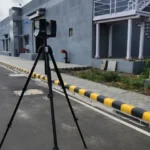
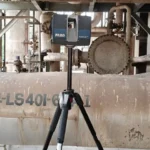
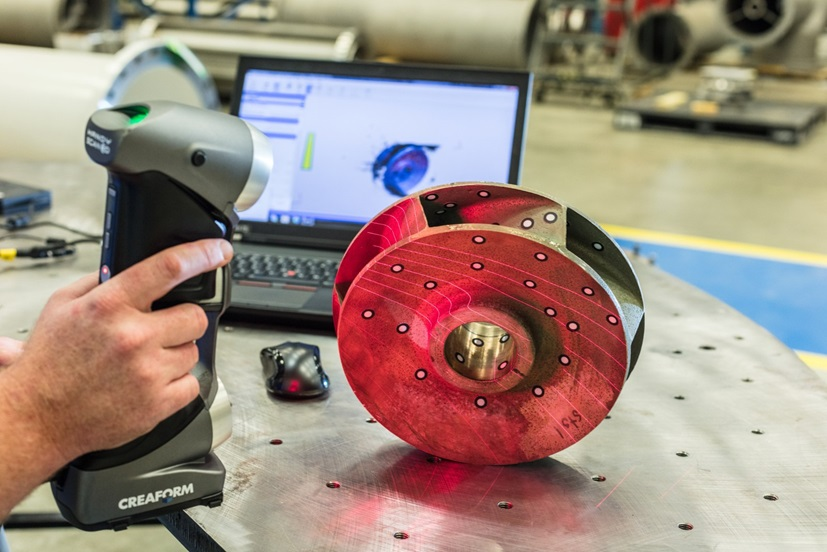
The first step is capturing the exact shape and dimensions of the object using 3D laser scanning or other technologies. This creates a detailed point cloud of the object.
2. Data Processing
The scanned data is cleaned and converted into a usable format. Noise and unnecessary data are removed to ensure accuracy.
3. 3D Modeling (CAD Creation)
Engineers create a 3D CAD model using software based on the processed data. This model can be edited, modified, or analyzed.
4. Validation & Optimization
The final model is checked for accuracy and optimized for manufacturing or design improvements.
Technologies Used in Reverse Engineering Services
Modern reverse engineering services rely on advanced tools and technologies:
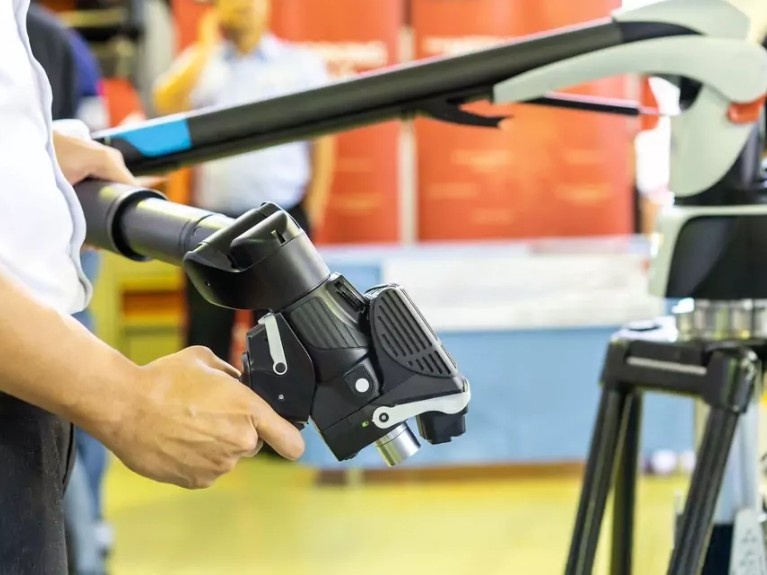
- 3D Laser Scanning (LiDAR) – For high-precision data capture
- Photogrammetry – Using images to create 3D models
- CAD Software (AutoCAD, SolidWorks, etc.) – For designing models
- 3D Mesh Processing Tools – For refining scan data
These technologies ensure high accuracy and efficiency in the reverse engineering process.
Key Benefits of Reverse Engineering Service
Reverse engineering service provides significant advantages for businesses looking to improve efficiency, reduce costs, and stay competitive in today’s fast-paced industries.
1. Saves Time and Reduces Costs
Developing a product from scratch can be time-consuming and expensive. Reverse engineering eliminates the need for initial design stages by working from an existing object, helping businesses complete projects faster while lowering overall costs.
2. Recreates Missing or Obsolete Parts
When original drawings, CAD files, or documentation are unavailable, reverse engineering allows you to accurately reproduce parts. This is especially useful for outdated or discontinued components that are no longer available in the market.
3. Improves Existing Product Design
By analyzing an existing product, engineers can identify design flaws and areas for improvement. This helps enhance performance, durability, and overall efficiency, leading to better and more reliable products.
4. Extends the Life of Legacy Equipment
Many industries still rely on older machinery where spare parts are difficult to find. Reverse engineering enables the recreation of these parts, helping extend the lifespan of equipment and avoid costly replacements.
5. Enhances Quality Control and Accuracy
Reverse engineering makes it easier to inspect and compare components against required specifications. This helps detect defects, maintain consistency, and improve product quality across manufacturing processes.
Why Businesses Choose Reverse Engineering Services
In today’s competitive market, businesses choose reverse engineering services to improve efficiency, reduce risks, and accelerate innovation. By leveraging advanced technologies and data-driven insights, companies can make smarter design and manufacturing decisions.
Key Reasons Businesses Prefer Reverse Engineering:
1. Faster Project Completion
Reverse engineering eliminates the need to design products from scratch. By working with an existing component, businesses can significantly reduce development time and bring products to market faster.
2. High Accuracy with Advanced Technologies
With the use of modern tools like 3D laser scanning and CAD software, reverse engineering delivers highly accurate and reliable results, ensuring precision in every detail.
3. Flexibility in Design Modifications
Businesses can easily modify, optimize, or customize existing designs to meet new requirements, improve performance, or adapt to changing market demands.
4. Competitive Advantage Through Product Insights
Reverse engineering allows companies to analyze competitor products, understand their strengths, and identify opportunities for innovation and improvement.
Reverse Engineering vs 3D Scanning: What’s the Difference?
Many people often confuse reverse engineering with 3D scanning, but they are not the same. In fact, 3D scanning is a part of the reverse engineering process, not a replacement for it.
What is 3D Scanning?
3D scanning is the process of capturing the physical shape and dimensions of an object using advanced tools like laser scanners or LiDAR. It generates a point cloud or mesh data, which represents the object digitally.
However, this data alone is not enough for manufacturing or design purposes.
What is Reverse Engineering?
Reverse engineering goes a step further. It takes the scanned data and converts it into a usable 3D CAD model, which can be edited, analyzed, and used for production.
In simple terms:
- 3D Scanning = Data Capture
- Reverse Engineering = Data Capture + CAD Model Creation + Design Optimization
Key Differences Between Reverse Engineering and 3D Scanning
| Aspect | 3D Scanning | Reverse Engineering |
| Purpose | Capture physical data | Recreate and improve design |
| Output | Point cloud / mesh | Editable CAD model |
| Usage | Measurement & visualization | Manufacturing & redesign |
| Process Level | Initial step | Complete workflow |
FAQs
1. What is reverse engineering service used for?
Reverse engineering service is used to analyze, recreate, and improve existing products or components. It helps convert physical objects into digital models for manufacturing, design, and quality inspection.
2. How does reverse engineering service work?
Reverse engineering works by scanning a physical object using 3D scanning technology, processing the data, and converting it into a CAD model. This model can then be modified, analyzed, or used for production.
3. What industries use reverse engineering services?
Reverse engineering services are widely used in industries such as manufacturing, automotive, aerospace, construction, oil & gas, and healthcare.
4. What is the difference between reverse engineering and 3D scanning?
3D scanning is the process of capturing the physical shape of an object, while reverse engineering includes scanning plus converting that data into an editable CAD model for design and manufacturing.
5. Is reverse engineering service legal?
Yes, reverse engineering is legal when used for analysis, research, or improvement. However, copying patented designs without permission may lead to legal issues.
6. How accurate is reverse engineering?
With modern technologies like 3D laser scanning, reverse engineering can achieve high accuracy, often up to millimeter-level precision.