

3D Laser Scanning
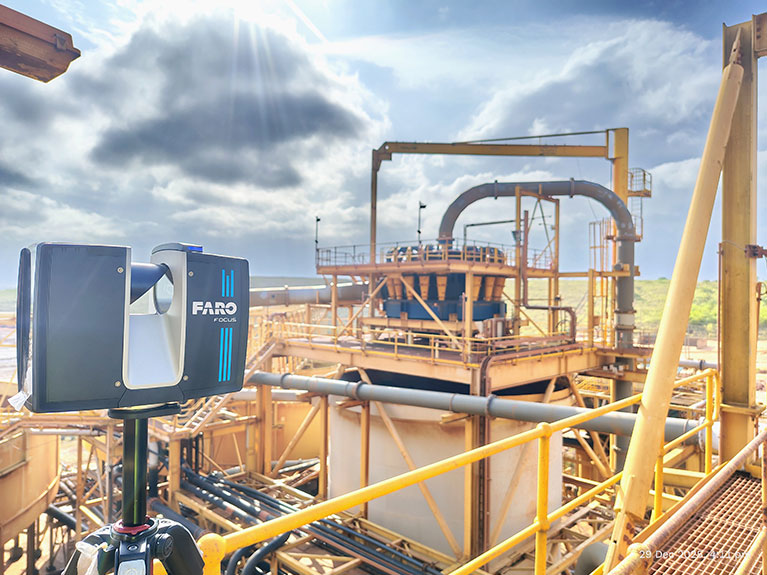
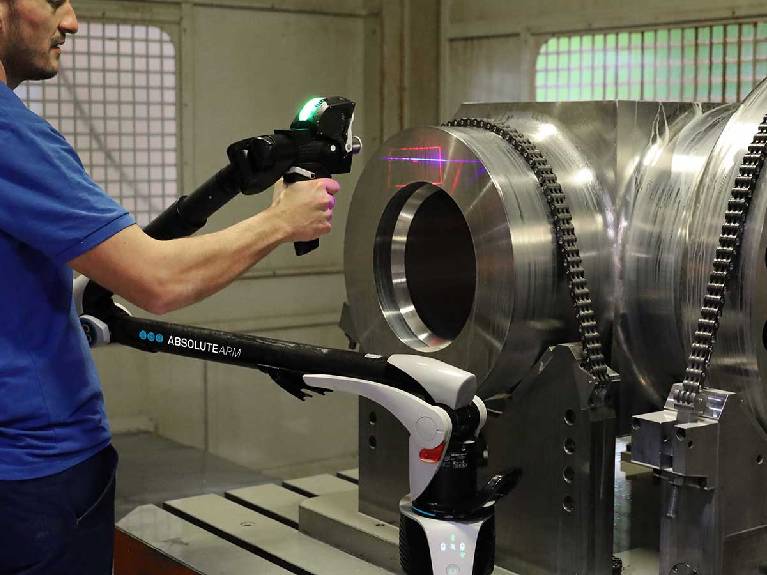
3D Laser Scanning digitally captures real-world assets with millimetre level accuracy. It generates a 3D point cloud — millions of measured data points that create an accurate, measurable digital replica of the physical environment in a form of point cloud data.
3D Laser Scanning Services with Millimeter-Level Accuracy
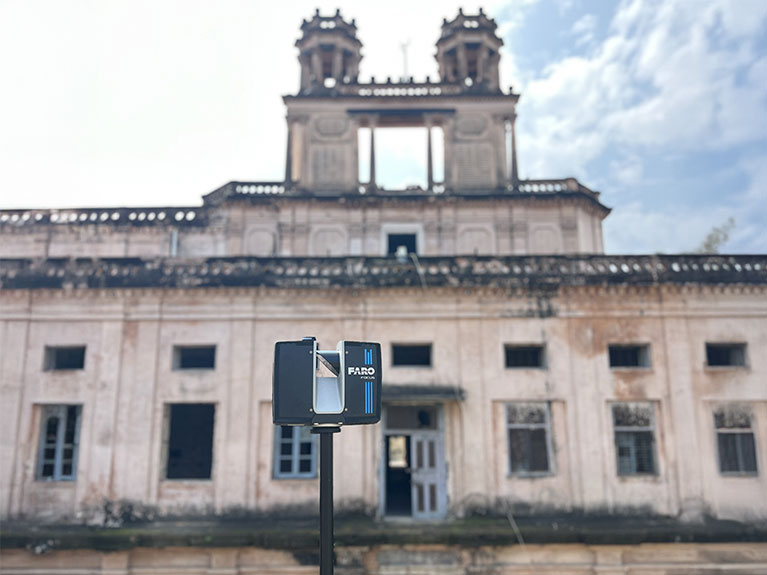
At Fibrox3D, we provide professional 3D laser scanning services to capture existing sites in their exact as-is condition.
We deliver coloured 3D point cloud data, 2D as-built drawings, and detailed 3D models that architects, engineers, and consultants can directly use for design, analysis, and renovation planning.
Our team deploys high-precision LiDAR scanners on site and processes the data using advanced registration software to produce accurate, reliable digital outputs.
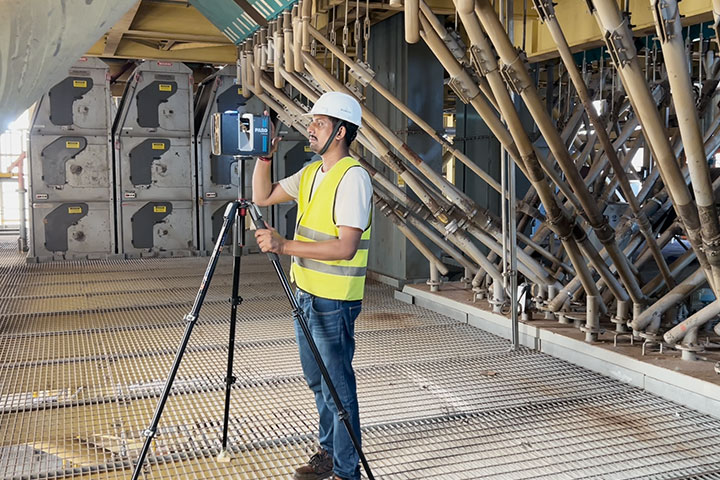
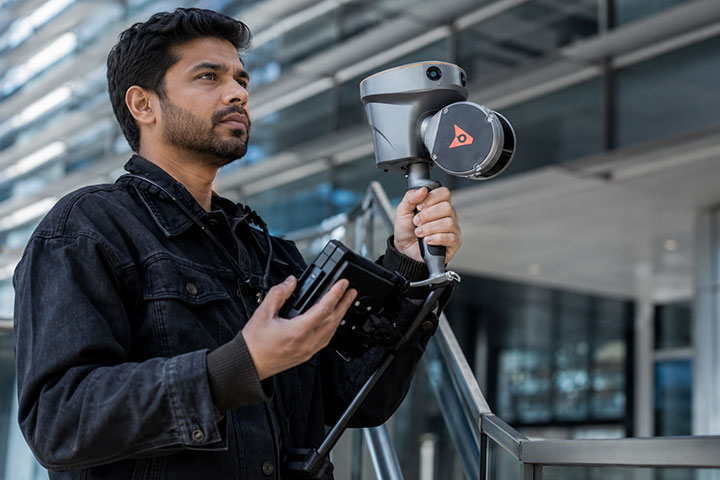
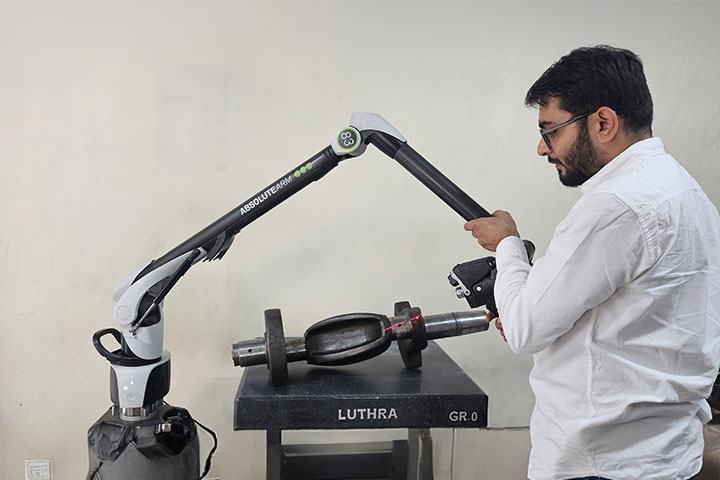
Industries Using 3D Laser Scanning
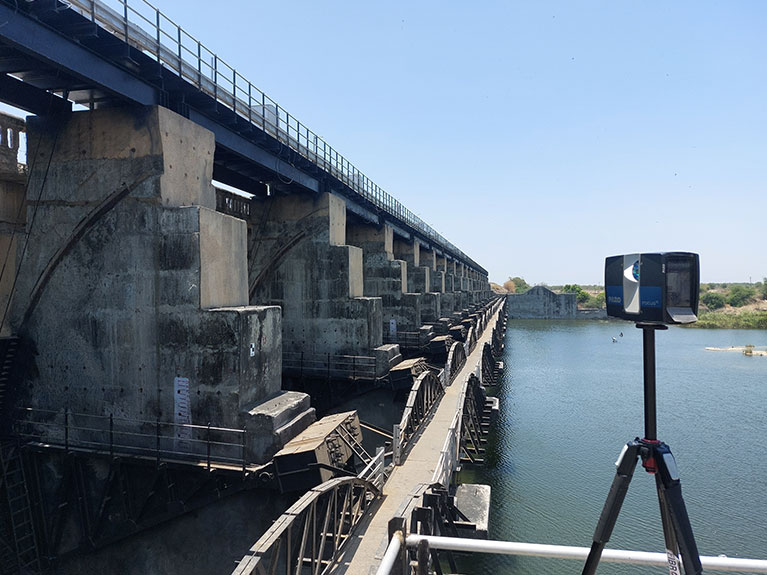
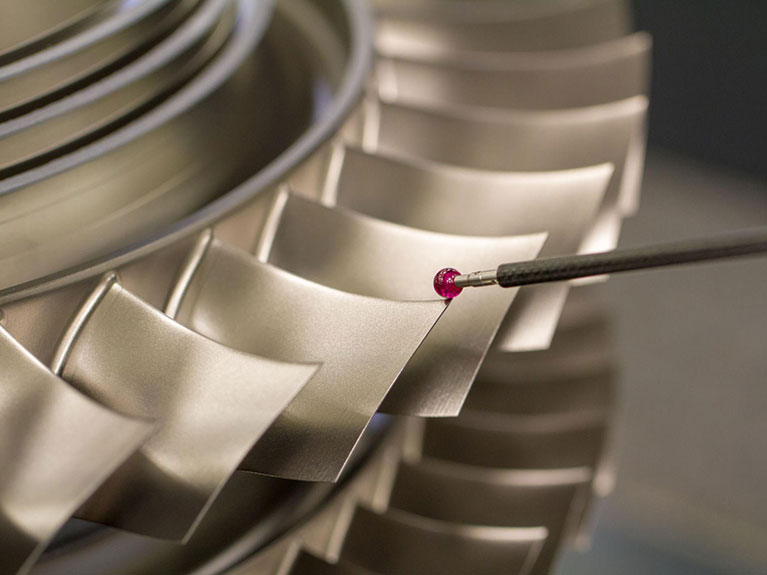
Industries We Serve
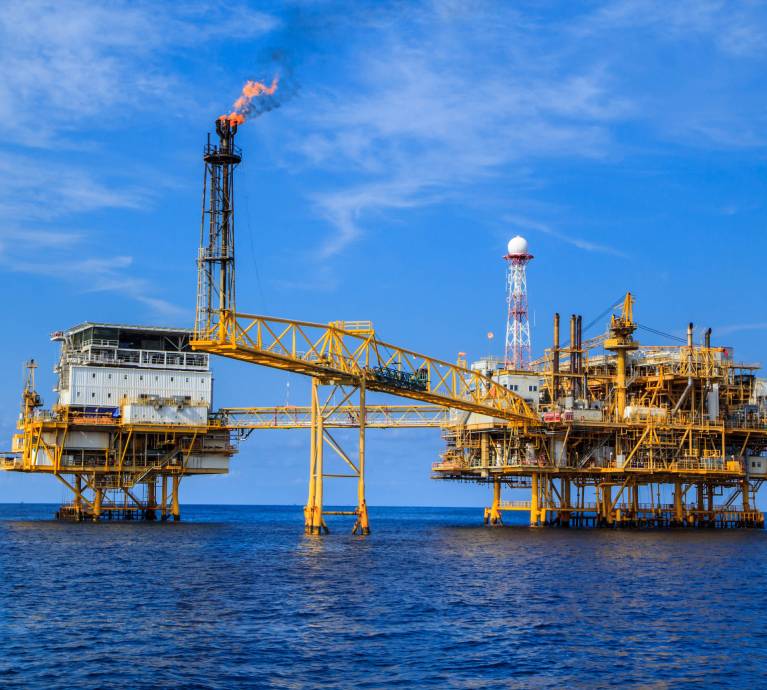
Oil & GAS
- Refineries
- Pipelines
- Storage Tanks
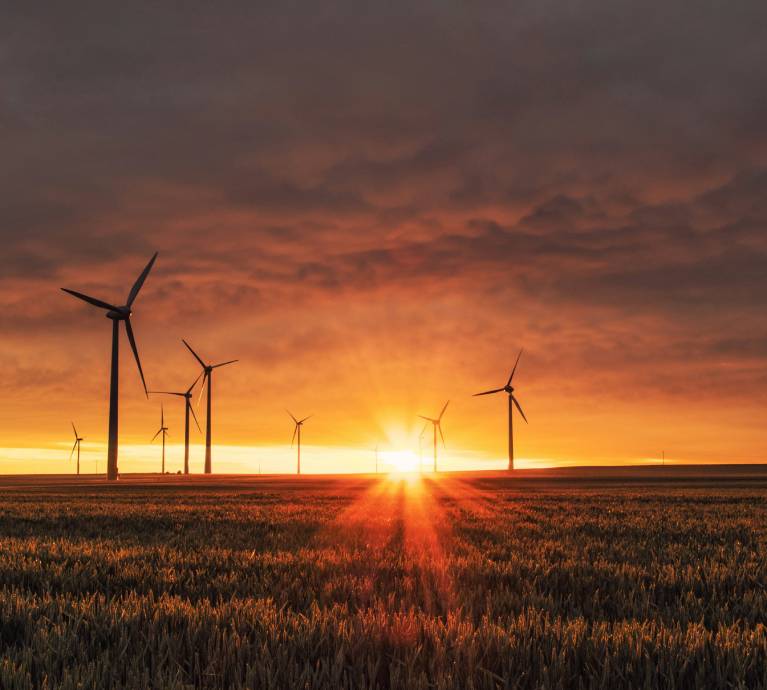
Power & Energy
- Thermal Plants
- Hydroelectric
- Solar Farms
- Substations
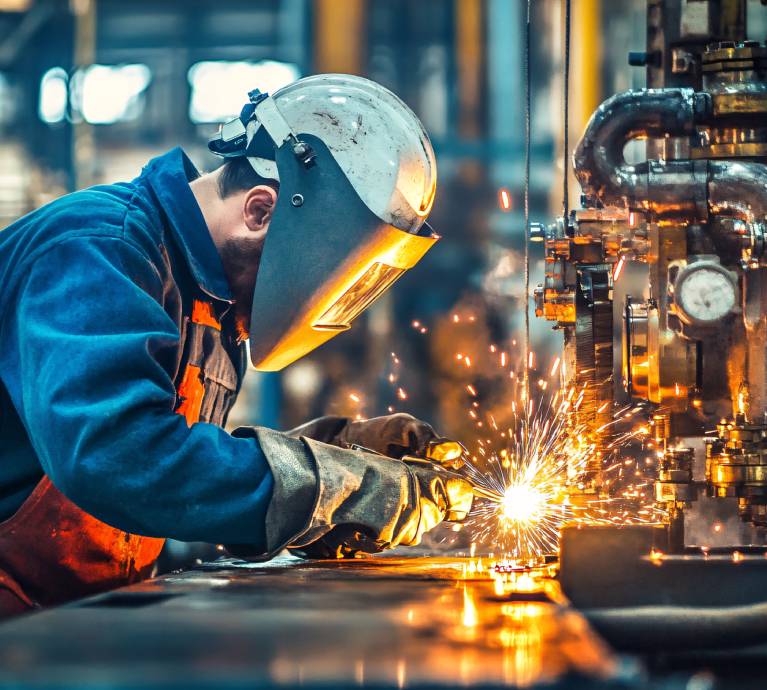
Metal & Manufacturing
- Steel Plants
- Automotive
- Factory Layouts
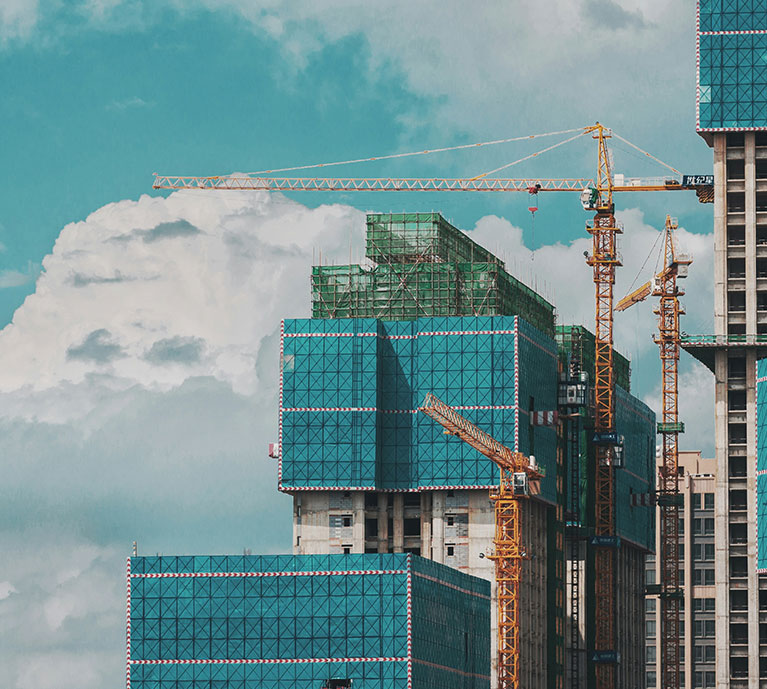
Infrastructure and Built Engineering
- Roads
- Bridges
- Tunnels
- Airports
- Smart Cities
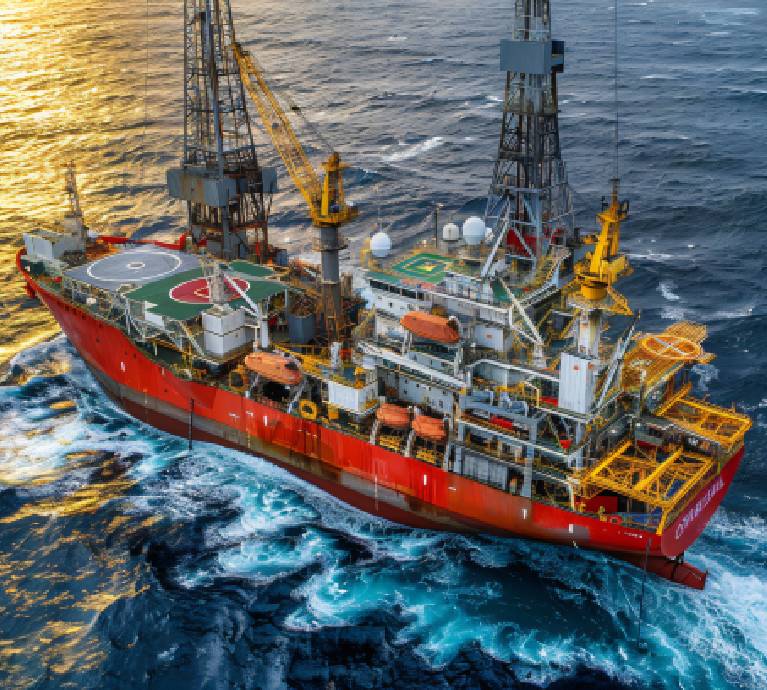
Transportation, Marine and Defence
- Shipbuilding
- Railways
- Defence Facilities
How 3D Laser Scanning Drives Engineering Decisions
At Fibrox3D, 3D Laser Scanning is not just a documentation tool — it is a foundation for technical decision-making. We capture existing conditions with measurable accuracy so engineering, design, and asset teams can work with verified data instead of assumptions.
Industrial & Process Plants
We digitally capture live and shutdown facilities to support retrofits, brownfield expansions, piping modifications, and shutdown planning — minimizing clashes, rework, and site uncertainty.
Architecture, Engineering & BIM
Our scan data forms the basis of reliable Scan-to-BIM workflows, enabling renovation design, coordination, structural validation, and constructability analysis with confidence.
Infrastructure & Transportation
Energy & Utilities
Marine & Offshore
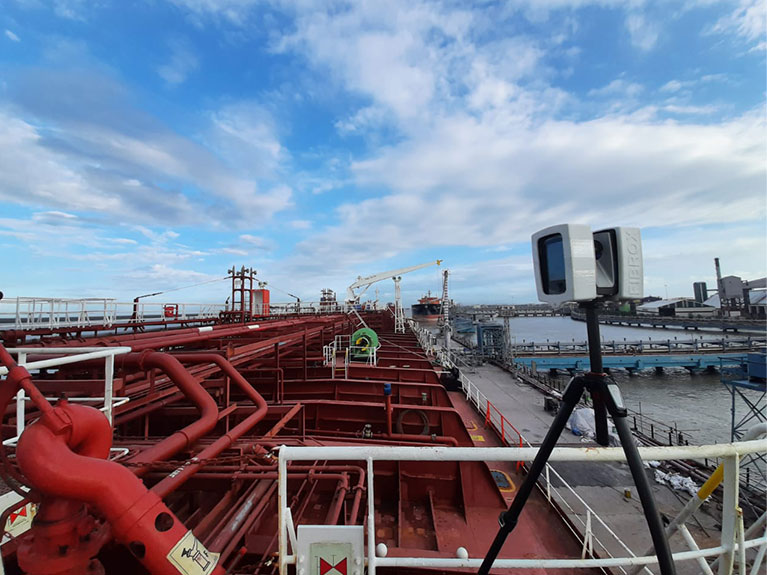
We support shipowners and yards with precise dimensional intelligence for retrofits, equipment integration, and repair planning — where tolerance errors directly impact cost and downtime.
Who Relies on
3D LiDAR Scanning?
3D LiDAR scanning is used by organizations that cannot afford inaccuracies, site assumptions, or rework. It supports professionals responsible for high-value assets, complex environments, and time-critical execution.
01
Industrial & Process Engineering Leaders
02
Architectural & BIM Decision-Makers
03
Infrastructure & Transportation Authorities
04
Energy & Power Operators
Oil, gas, refinery, and power companies apply scan intelligence to support brownfield expansion, compliance documentation, inspection programs, and capital project planning.
05
Marine & Offshore Asset Owners
Our 3D Laser Scanning Workflow
01
Data Collection
02
Data Processing - Alignment & Verification
03
Engineering-Ready Model Development
04
Operational & Lifecycle Application
Why Fibrox3D?
Measured Accuracy, Not Assumptions
We deliver scan datasets within defined millimetre-level tolerances, validated through controlled QA/QC workflows before release.
Proven Project Volume
Successfully executed 150+ vessel scans and multiple large-scale industrial, refinery, power, and infrastructure projects across India and international locations.
High-Volume Data Handling Capability
Experienced in processing and registering multi-terabyte point cloud datasets (6TB+ environments) with structured data management protocols.
Engineering-Ready Deliverables
Delivered thousands of 2D as-built drawings and coordinated 3D models supporting retrofits, shutdown planning, brownfield expansions, and asset documentation.
Scalable Deployment Capacity
Capable of mobilizing teams for confined equipment rooms, live industrial plants, heritage sites, and geographically distributed facilities spanning hundreds of kilometres.
10+ Years of Consistent Execution
A decade of hands-on project delivery across marine, oil & gas, power, infrastructure, hospitality, and heritage sectors — operating as a technical execution partner, not a survey subcontractor.
Frequently Asked Questions
3D LiDAR scanning captures highly accurate spatial data of buildings and sites, helping AEC teams create reliable as-built models, reduce errors, and improve coordination.
3D scanning provides precise as-built data of interiors, allowing fit-out teams to plan layouts accurately, avoid clashes, and reduce rework during installation.
As-built documentation can be generated using 3D laser scanning, photogrammetry, drone surveys, and site validation to reflect actual site conditions accurately.
3D laser scanning captures millions of data points with millimeter accuracy, making it far more reliable and faster than traditional manual measurement methods.
Yes, 3D scanning accurately records complex shapes, congested areas, and hard-to-access spaces that are difficult to measure using conventional tools.
By capturing real site conditions early, 3D scanning helps identify clashes, dimensional issues, and misalignments before construction begins.
Typical deliverables include point clouds, CAD drawings, BIM models, floor plans, elevations, sections, and deviation analysis reports.
3D scanning is ideal for renovations as it captures existing conditions accurately, reducing uncertainties and design risks in retrofit projects.
3D scanning minimizes repeated site visits and re-measurements by capturing comprehensive data in a single survey, accelerating project timelines.
Old drawings often miss undocumented changes, while 3D scanning reflects true as-built conditions, making it more reliable for planning and design.
Ready to Digitize Your Asset?
Contact us today for a consultation and quote for your laser scanning project.
Headquarters
Rajkot Office
Nr. Shreeji Gau Shala, B/h Tulip Party Plot
Premvati, Vavdi, Rajkot – 360004
India
Vadodara Office
Tarsali – Danteshwar Ring Road
Vadodara – 390009
General Inquiries
© 2026 Fibrox 3D. All rights reserved. | Developed by SkyWebTech