
Virtual Reality - Augmented Reality
The Future of AR and VR
We are all familiar with the term ‘virtual’ or ‘augmented’ reality but don’t fully understand the implications for the future. When we think about a new reality constructed in the future VR & AR play a great role in stimulating these emulations, to create an experience similar to our reality at hand or one completely different than the world we see on a daily basis.
The future of these two computer-generated technologies are astounding, as we now go from interpreting a version of reality that really isn’t there, rather than perceiving our world through our limited senses.
Now before we jump into the specifics of both technologies, let’s understand them as separate applications as well.
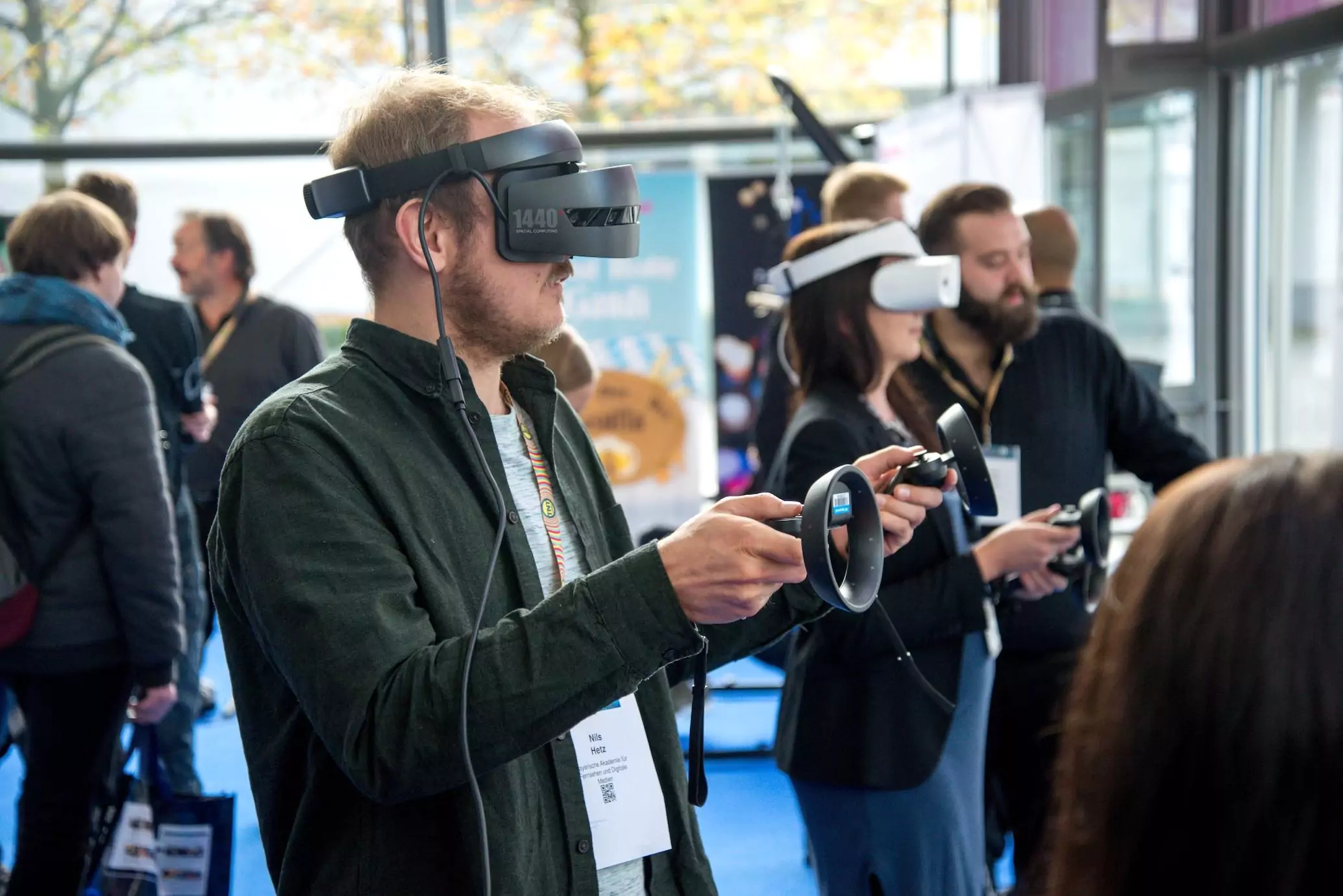
Virtual Reality-A New World
Many of us assume that virtual reality has been a marketing buzzword to describe immersive experiences with video games or TV shows selectively, as they can make you adapt to a whole new world of a computer-generated reality.
You can often think of virtual reality as being a gateway to a whole new world, where you can respond to what you see and what you see can respond back to you. The computer-generated technology is harnessed to make this virtual reality look 100% believable to the human eye since VR changes to match how your senses are stimulated.
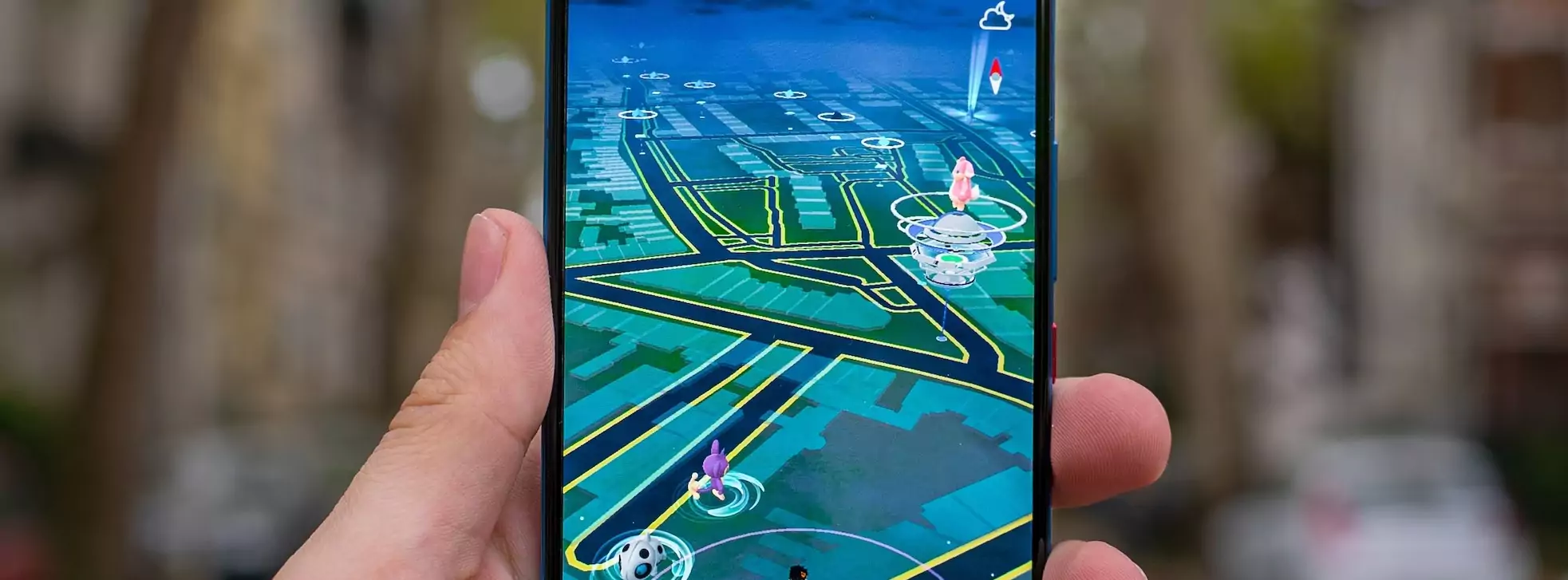
Augmented Reality
AR is based on augmenting virtual information and merging aspects of the computer-generated world, into the existing environment of a user. Users immersive themselves into an AR experience, to achieve an improved reality where virtual objects and real-life elements can co-exist with each other.
FAQs
Virtual walkthroughs digitally preserve heritage sites, enabling immersive exploration, conservation planning, and stakeholder reviews without physical impact on fragile structures.
VR creates immersive plant environments that help teams visualize layouts, understand spatial constraints, and plan upgrades or maintenance activities more effectively.
Digital twins replicate real plant conditions, allowing monitoring, analysis, and simulation to improve operational efficiency and long-term asset management.
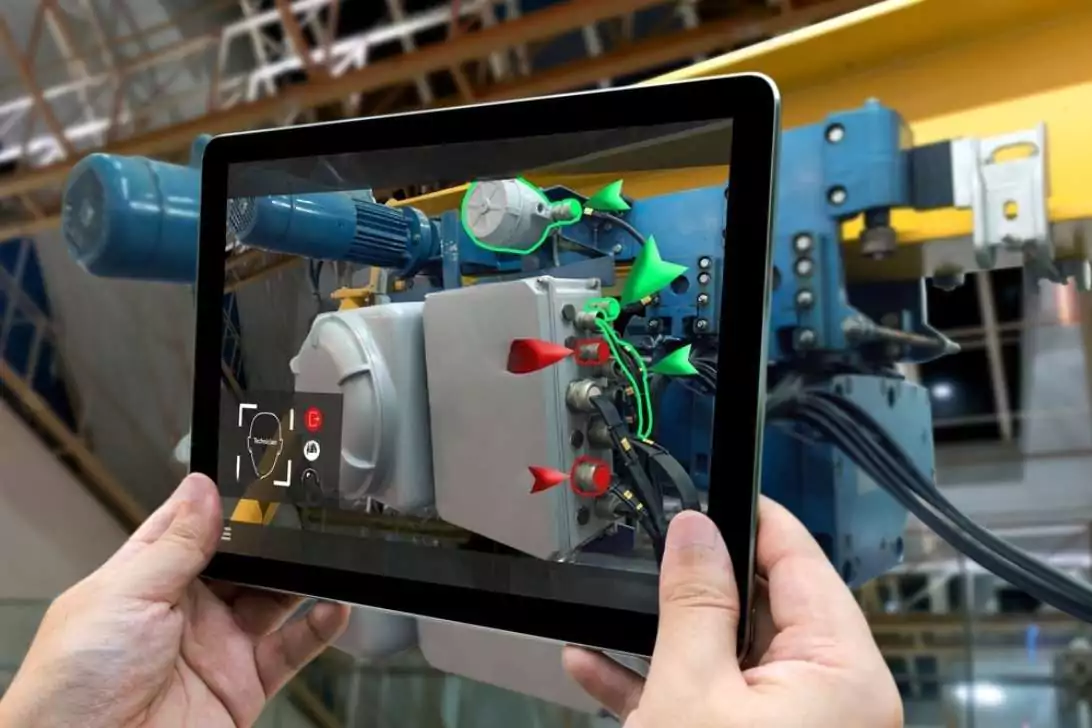
AR overlays digital information onto real assets, helping technicians locate components, follow procedures, and reduce errors during maintenance tasks.
VR allows teams to visualize work sequences, access routes, and safety risks in advance, reducing downtime during shutdown and turnaround activities.
VR provides realistic simulations for safety training, helping workers identify hazards and practice emergency scenarios without on-site exposure.
VR enables stakeholders to experience designs virtually, improving understanding, faster approvals, and better design decisions before execution.
Industries like construction, oil and gas, marine, heritage, and manufacturing benefit from immersive visualization and improved planning accuracy.
VR models derived from scan data reflect real site geometry accurately, ensuring reliable visualization and decision-making.
VR walkthroughs present complex designs clearly, helping clients understand scope, visualize outcomes, and make informed decisions confidently.